

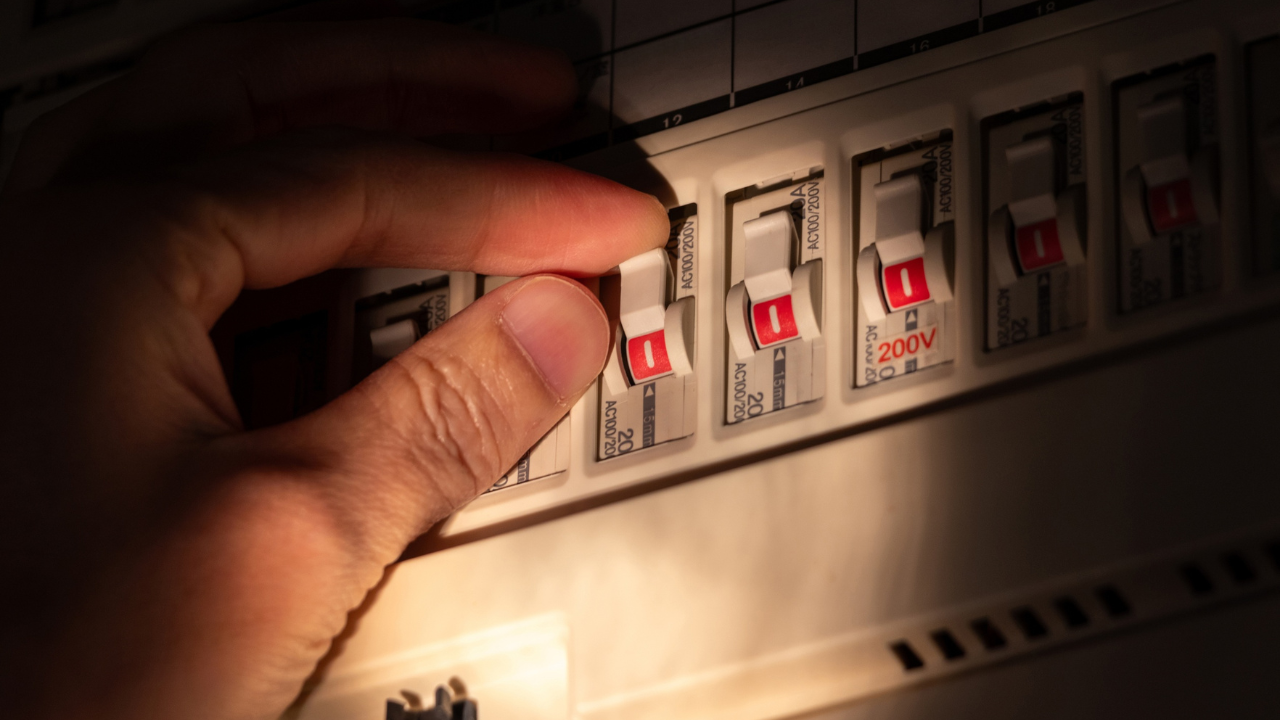
Electrical systems are the backbone of any commercial building. When they are designed, installed, or maintained improperly, the results can range from operational inefficiencies to serious safety hazards and unplanned downtime. Unfortunately, many electrical issues in commercial spaces stem from preventable planning and maintenance mistakes.
For property owners and facility managers, understanding these common electrical problems—and knowing what warning signs to look for—can significantly reduce risk and long-term costs. At Suburban Electric Contracting, we routinely identify and correct these issues in commercial buildings throughout Massachusetts.
Mistake #1: Undersized Electrical Service and Panels
One of the most frequent problems in commercial spaces is an electrical service that is undersized for current usage. Buildings often evolve over time, adding equipment, workstations, or technology without reevaluating available capacity.
Warning Indicators
- Circuit breakers trip frequently
- Panels feel warm or show signs of discoloration
- Equipment shuts down unexpectedly
- Temporary power strips or extension cords are heavily relied upon
How to Avoid It
- Conduct a load analysis whenever space use changes
- Size panels with additional capacity for future growth
- Upgrade service proactively when adding high-demand equipment
Failing to address capacity limitations early often leads to emergency upgrades, which are significantly more expensive than planned improvements.
Mistake #2: Poor Circuit Design and Load Balancing
Improperly balanced circuits can lead to uneven electrical loads, overheating, and increased equipment wear. This issue is common in older buildings where circuits were added incrementally without a coordinated plan.
Warning Indicators
- Certain areas experience frequent breaker trips
- The lights dim when the equipment starts up
- Uneven performance across similar equipment
- Excessive heat at specific breakers or conductors
How to Avoid It
- Balance loads evenly across phases
- Group circuits are logically based on equipment type and usage
- Document circuit assignments clearly on panels
Proper circuit design improves reliability and reduces stress on electrical components.
Mistake #3: Inadequate Planning for Low-Voltage Systems
Modern commercial spaces rely heavily on low-voltage infrastructure such as data cabling, access control, security systems, audiovisual equipment, and building automation. Treating these systems as an afterthought often creates inefficiencies and clutter.
Warning Indicators
- Exposed or surface-mounted cabling
- Network or communication interruptions
- Limited space in equipment rooms
- Poor coordination between the electrical and IT teams
How to Avoid It
- Coordinate low-voltage planning alongside power distribution
- Provide dedicated pathways and equipment spaces
- Plan for the expansion of data and control systems
Integrated planning ensures these systems function reliably and remain adaptable.
Mistake #4: Improper or Outdated Lighting Design
Lighting issues are among the most visible electrical problems in commercial spaces. Poor lighting design can negatively impact safety, productivity, and energy efficiency.
Warning Indicators
- Over-illuminated or under-lit work areas
- Uneven lighting or glare
- High energy bills from outdated fixtures
- Emergency lighting gaps or failures
How to Avoid It
- Perform lighting audits during renovations or upgrades
- Use LED fixtures designed for commercial use
- Incorporate lighting controls such as occupancy sensors
- Ensure emergency lighting meets current code requirements
Thoughtful lighting design improves both performance and operating costs.
Mistake #5: Ignoring Preventive Electrical Maintenance
Many commercial facilities operate on a reactive maintenance model—addressing electrical issues only after something fails. This approach increases downtime and safety risks.
Warning Indicators
- Frequent emergency service calls
- Aging components with no maintenance records
- Corrosion or dust buildup in panels
- Loose connections or buzzing sounds
How to Avoid It
- Establish routine inspection schedules
- Perform thermal imaging and torque checks
- Replace aging components before failure
- Maintain clear documentation and service logs
Preventative maintenance is significantly less expensive than emergency repairs.
Mistake #6: Code Compliance Oversights During Renovations
Renovations often trigger code compliance requirements that building owners may not anticipate. Overlooking these requirements can delay inspections and occupancy.
Warning Indicators
- Failed electrical inspections
- Last-minute upgrade requirements
- Conflicting interpretations of code requirements
- Delays in the certificate of occupancy approval
How to Avoid It
- Engage a commercial electrical contractor early
- Review applicable NEC and Massachusetts regulations
- Include compliance upgrades in renovation budgets
Early planning avoids costly surprises late in the project.
Mistake #7: Lack of Clear Documentation and Labeling
Poor documentation can turn simple maintenance tasks into time-consuming investigations. Clear labeling and documentation are essential for efficient operations.
Warning Indicators
- Panels with missing or inaccurate labels
- No as-built drawings available
- Maintenance staff are unsure of circuit layouts
- Extended downtime during troubleshooting
How to Avoid It
- Require updated panel schedules and as-built drawings
- Label circuits clearly and consistently
- Maintain centralized electrical documentation
Clear documentation reduces downtime and improves safety.
Why Avoiding These Mistakes Matters
Electrical mistakes don’t just impact systems—they affect safety, tenant satisfaction, operating budgets, and regulatory compliance. Addressing these issues proactively improves reliability and extends the lifespan of electrical infrastructure.
Experienced commercial electrical contractors help identify risks early and implement solutions that align with both operational needs and long-term goals.
Frequently Asked Questions (FAQ)
What is the most common electrical issue in commercial buildings?
Undersized electrical service and poor load planning are among the most common problems, especially in older buildings that have expanded usage over time.
How often should commercial electrical systems be inspected?
Most facilities benefit from annual inspections, with more frequent reviews for high-demand or mission-critical environments.
Can electrical mistakes increase operating costs?
Yes. Inefficient systems, outdated lighting, and unbalanced loads can significantly increase energy consumption and maintenance expenses.
Are low-voltage systems part of electrical planning?
Absolutely. Data, security, and control systems must be coordinated with power infrastructure to function properly and remain scalable.
When should a facility manager consult an electrical contractor?
Anytime there is a renovation, equipment addition, repeated electrical issues, or uncertainty about system capacity or compliance.
