

Electrical code violations in commercial buildings are more common than most business owners realize—and in many cases, they develop quietly over time.
When a building is first constructed or renovated, electrical systems are typically installed to meet all required safety codes. Everything is compliant. Everything is inspected. Everything works as it should.
But buildings don’t stay the same.
Equipment gets added. Spaces are repurposed. Systems are modified to meet new demands. And slowly, what was once fully compliant can begin to drift away from current electrical standards.
The challenge is that these violations often go unnoticed until something triggers a closer look—an inspection, a renovation, or even an unexpected issue.
Understanding how electrical code violations develop, what to look for, and how to correct them can help protect your business from safety risks, costly delays, and unexpected repairs.
Why Electrical Code Compliance Matters
Electrical codes are not just technical requirements—they are designed to protect people, property, and operations.
In a commercial environment, where systems are larger and more complex, the risks associated with non-compliance increase significantly. Faulty wiring, overloaded circuits, or outdated components can create serious safety hazards, including fire risks and equipment damage.
But compliance goes beyond safety.
Electrical code violations can impact:
- Building inspections
- Insurance coverage
- Property transactions
- Renovation approvals
If a system is not up to code, it can delay projects, increase costs, and create liability concerns for business owners.
Staying compliant is not about reacting to problems—it’s about maintaining a system that is safe, reliable, and ready for growth.
How Electrical Code Violations Develop Over Time
Most electrical code violations don’t happen because of one major mistake. Instead, they develop gradually.
A business adds new equipment but doesn’t upgrade the circuit.
An office expands and installs additional outlets without evaluating load capacity.
Temporary fixes become long-term solutions.
Individually, these changes may seem minor. But over time, they can create a system that no longer meets code requirements.
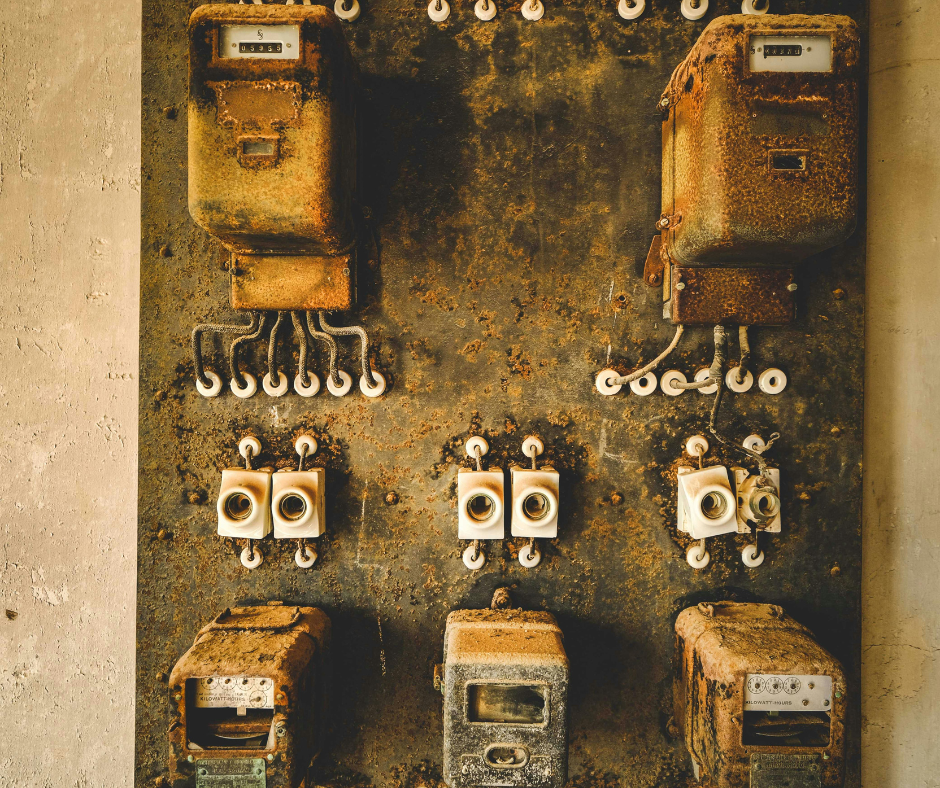
This is especially common in older commercial buildings, where electrical systems were designed for a completely different level of demand.
As technology evolves and energy usage increases, these systems can fall out of alignment with current standards.
Common Electrical Code Violations in Commercial Buildings
While every building is different, certain electrical code violations appear more frequently than others.
One of the most common issues is overloaded circuits. As businesses grow and add equipment, circuits that were once sufficient begin carrying more load than they were designed for. This can lead to overheating and increased risk of failure.
Improper grounding is another frequent concern. Grounding systems are critical for safety, and outdated or improperly installed grounding can create serious hazards.
Electrical panels are also a common source of violations. Panels may be outdated, lack proper labeling, or no longer have the capacity needed to support the building’s electrical demand.
In some cases, violations stem from work that was completed without proper permitting or inspection. Over time, these modifications can create inconsistencies within the system.
When Electrical Code Violations Are Discovered
For many businesses, electrical code violations come to light during key moments.
A renovation project may require an inspection that reveals underlying issues.
A property sale may trigger a full system evaluation.
An equipment failure may lead to a deeper look at the electrical infrastructure.
In these situations, what may have gone unnoticed for years suddenly becomes a priority.
This is often when business owners realize that addressing the issue requires more than a quick fix—it requires a comprehensive evaluation of the system.
The Connection Between Code Violations and Electrical Load
Many electrical code violations are directly related to system capacity.
As demand increases, electrical systems that were once adequate can become overloaded or imbalanced. When this happens, the system no longer aligns with code requirements.
Understanding how power is distributed throughout your building is key to identifying these issues.
A professional evaluation—such as an electrical load calculation—can help determine whether your system is operating within safe limits.
By identifying areas of strain or imbalance, businesses can take steps to correct issues before they escalate.
How to Fix Electrical Code Violations
Fixing electrical code violations is not always as simple as repairing a single component.
In many cases, it requires a broader approach that considers how the entire system functions.
This may include:
- Upgrading electrical panels
- Redistributing electrical loads
- Replacing outdated wiring
- Bringing systems up to current code standards
The goal is not just to correct the violation, but to create a system that is safe, efficient, and capable of supporting your business moving forward.
Working with an experienced commercial electrical contractor ensures that these corrections are done properly and in compliance with current codes.
Preventing Electrical Code Violations Before They Happen
While fixing violations is important, preventing them is even more valuable.
Regular electrical evaluations and preventative maintenance help identify potential issues early—before they become compliance problems.
This proactive approach allows businesses to stay ahead of changes, maintain system performance, and avoid unexpected disruptions.
It also creates an opportunity to plan for future growth, ensuring that the electrical system evolves alongside the business.
Planning Ahead for Inspections and Upgrades
Electrical code compliance becomes especially important when planning renovations or upgrades.
Before new work can begin, existing systems may need to be brought up to code. Understanding this ahead of time helps avoid delays and allows for better project planning.
It also creates an opportunity to improve the system—not just to meet code, but to enhance performance, efficiency, and scalability.
Taking a strategic approach to upgrades ensures that your electrical system supports both current needs and future expansion.
Why Working with the Right Electrical Partner Matters
Electrical codes are detailed and constantly evolving. Navigating them requires more than basic knowledge—it requires experience.
A qualified commercial electrical contractor understands how to interpret code requirements, identify potential issues, and implement solutions that align with both safety standards and business needs.
This level of expertise helps ensure that your system is not only compliant but built to perform reliably over time.
Electrical code violations in commercial buildings are often the result of growth and change.
As businesses evolve, their electrical systems need to keep pace. Without proper evaluation and updates, systems can fall out of compliance, creating risks that affect safety, performance, and costs.
By understanding how violations develop and taking a proactive approach to maintenance and upgrades, businesses can create a safer, more reliable environment.
It’s not just about meeting code—it’s about building a system that supports your business now and into the future.
Ready to Fix Electrical Code Violations in Your Building?
If you’re unsure whether your electrical system is up to code—or you’re planning upgrades—it’s time to take a closer look.
Call Suburban Electric Contracting today to schedule an evaluation. Our team will identify any issues, walk you through solutions, and make sure your system is safe, compliant, and built to support your business.
FAQs
What are electrical code violations in commercial buildings?
There are parts of an electrical system that do not meet current safety standards or code requirements.
How do I know if my building has electrical code violations?
The most reliable way is through a professional inspection or electrical system evaluation.
Are electrical code violations dangerous?
Yes, they can increase the risk of fire, equipment failure, and safety hazards.
Can electrical code violations be fixed without replacing the entire system?
In some cases, yes. However, more significant issues may require upgrades to ensure compliance.
How often should commercial electrical systems be inspected?
Regular inspections and preventative maintenance help keep systems safe and compliant over time.
