

Power outages have a way of putting everything into perspective.
In a matter of seconds, what felt like a normal workday can come to a complete stop. The lights go out. Systems shut down. Equipment goes quiet. And suddenly, the focus shifts from productivity to one simple question:
How quickly can we recover?
For businesses across Massachusetts and New Hampshire, that question carries real weight. Whether it’s lost revenue, disrupted operations, or compromised safety, even a short outage can have a lasting impact.
That’s why more businesses are starting to think beyond temporary fixes and ask a bigger question:
What kind of backup power system do we actually need?
The answer often comes down to two options—generators or battery backup systems. Both serve the same purpose, but they do it in very different ways.
Why Backup Power Is No Longer Optional
There was a time when power outages were seen as occasional inconveniences—something you dealt with and moved on from.
But today, businesses rely on electricity in ways that make outages far more disruptive.
Systems are more connected. Equipment is more sensitive. Operations are more dependent on consistent power. Even short interruptions can lead to data loss, equipment resets, or downtime that takes hours to recover from.
In industries like healthcare, food service, manufacturing, and even office environments, that disruption can quickly translate into financial loss or operational risk.
Backup power isn’t just about keeping the lights on anymore. It’s about protecting the continuity of your business.
Understanding Generators: Reliable Power When You Need It Most
Generators have long been the most common solution for commercial backup power—and for good reason.
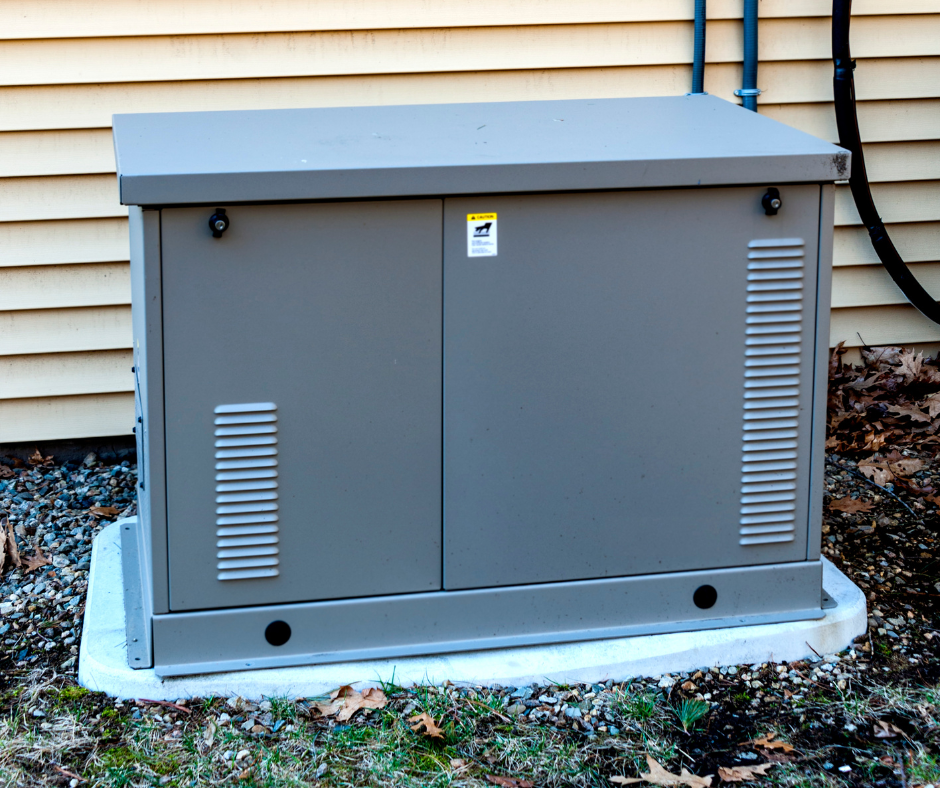
A standby generator is designed to automatically turn on when power is lost, supplying electricity to your building within seconds. Depending on the system, it can support everything from essential systems to full-building operation.
For many businesses, this level of reliability is exactly what they need.
Generators are particularly effective for longer outages. As long as they have fuel—whether natural gas, propane, or diesel—they can continue running for extended periods. This makes them a strong choice for businesses that cannot afford to be without power for any length of time.
That’s why many companies exploring commercial generator installation choose this route when continuity is critical.
Understanding Battery Backup Systems
Battery backup systems, also known as energy storage systems, offer a different approach.
Instead of generating power, they store electricity and release it when needed.
These systems are typically used to provide short-term backup during outages. They can keep critical systems running for a limited time, allowing for a controlled shutdown or bridging the gap until power is restored.
In some cases, battery systems are also used to support energy efficiency strategies, helping businesses manage demand and reduce energy costs.
While they can be effective in the right situations, they are generally not designed to replace generators for long-duration outages—especially in larger commercial environments.
The Real Difference Comes Down to Duration and Demand
When businesses compare generators and battery systems, the conversation often comes down to one key factor:
How long do you need power—and how much do you need?
If your priority is maintaining operations during extended outages, a generator is typically the more reliable solution. It provides consistent power for as long as fuel is available and can support larger loads.
If your goal is short-term coverage or support for specific systems, a battery backup may be sufficient.
In many cases, the decision isn’t about which option is better—it’s about which one aligns with how your business operates.
Thinking Beyond the Equipment
Choosing a backup power system isn’t just about selecting equipment—it’s about understanding your building.
Every commercial property has a different electrical profile. The size of the building, the type of equipment, and how power is used all influence which system will work best.
This is why many businesses begin the process with an evaluation of their electrical capacity and load.
Understanding your system helps ensure that whatever solution you choose is properly sized and integrated.
Planning for What Matters Most
One of the most important parts of this process is deciding what actually needs to stay running during an outage.
For some businesses, it’s everything. For others, it’s specific systems—servers, refrigeration, security, or critical equipment.
Defining those priorities helps shape the design of the backup system.
It also creates an opportunity to plan more strategically, ensuring that the solution supports your operations without overbuilding or underestimating your needs.
The Role of Installation and Integration
Backup power systems are not standalone solutions. They need to be integrated into your building’s existing electrical infrastructure.
This includes transfer switches, load management, and coordination with your main electrical panel.
That’s why working with a team experienced in commercial electrical services is essential.
Proper installation ensures that the system operates automatically, safely, and reliably when it’s needed most.
Planning for the Future
Like many aspects of commercial electrical systems, backup power should be designed with the future in mind.
As your business grows or changes, your power needs may evolve. Planning for that growth now can help avoid the need for additional upgrades later.
This might include selecting a system with expandable capacity or designing your infrastructure to accommodate future additions.
Taking this approach creates flexibility and helps protect your investment over time.
Making the Right Decision for Your Business
There’s no one-size-fits-all answer when it comes to backup power.
For some businesses, a generator provides the reliability and capacity they need. For others, a battery system may offer a more targeted solution. In certain cases, a combination of both may be the best approach.
The key is understanding your building, your operations, and your priorities.
With the right information—and the right guidance—you can make a decision that supports your business not just today, but in the long run.
Conclusion
Power outages may be unpredictable, but your response to them doesn’t have to be.
For businesses across Massachusetts and New Hampshire, investing in the right backup power solution is about more than preparation—it’s about confidence.
Confidence that your operations can continue.
Confidence that your systems are protected.
Confidence that your business is ready for whatever comes next.
Ready to Protect Your Business from Power Outages?
Suburban Electric Contracting helps businesses across Massachusetts and New Hampshire design and install backup power solutions, including commercial generators and integrated electrical systems.
If you’re considering backup power, our team can help you determine the right approach for your building. Reach out today by clicking here.
FAQs
What is the difference between a generator and a battery backup?
Generators produce power, while battery systems store and release electricity.
Which is better for long outages?
Generators are typically better for extended outages due to their ability to run continuously with fuel.
Can I use both systems together?
Yes, some businesses use a combination for flexibility and efficiency.
How do I know what size system I need?
An electrical evaluation and load calculation will determine the appropriate size.
Do generators turn on automatically?
Yes, standby generators are designed to start automatically during an outage.
