

Power outages rarely happen at a convenient time.
They don’t wait until the end of the workday or when systems are idle. They happen in the middle of operations—when employees are working, customers are being served, and systems are actively processing information.
We’ve stood inside buildings the moment the power drops. The shift is immediate. Conversations stop. Screens go black. Equipment shuts down mid-process. For a few seconds, there’s silence—and then the realization sets in: nothing is moving forward.
For many businesses, that moment is when they first seriously consider installing a commercial generator. Unfortunately, by then, the cost of the outage has already been felt.
Why Power Loss Is More Disruptive Than It Used to Be
Modern businesses rely on far more than just electricity. They rely on interconnected systems that depend on continuous power.
When the power goes out, it’s not just the lighting that disappears. Entire operational systems are affected:
- Network infrastructure loses connection
- Cloud-based systems disconnect or stall
- Security systems may shut down or fail over unpredictably
- HVAC systems stop, which can affect equipment and comfort
We worked with a commercial client who experienced an outage that lasted just over an hour. On paper, that doesn’t sound significant. But in reality, it took nearly two full days to fully recover. Systems needed to be restarted in sequence, data had to be verified, and operations had to stabilize before work could resume at full capacity.
The outage itself wasn’t the biggest issue—the recovery was.
What Commercial Generator Installation Actually Provides
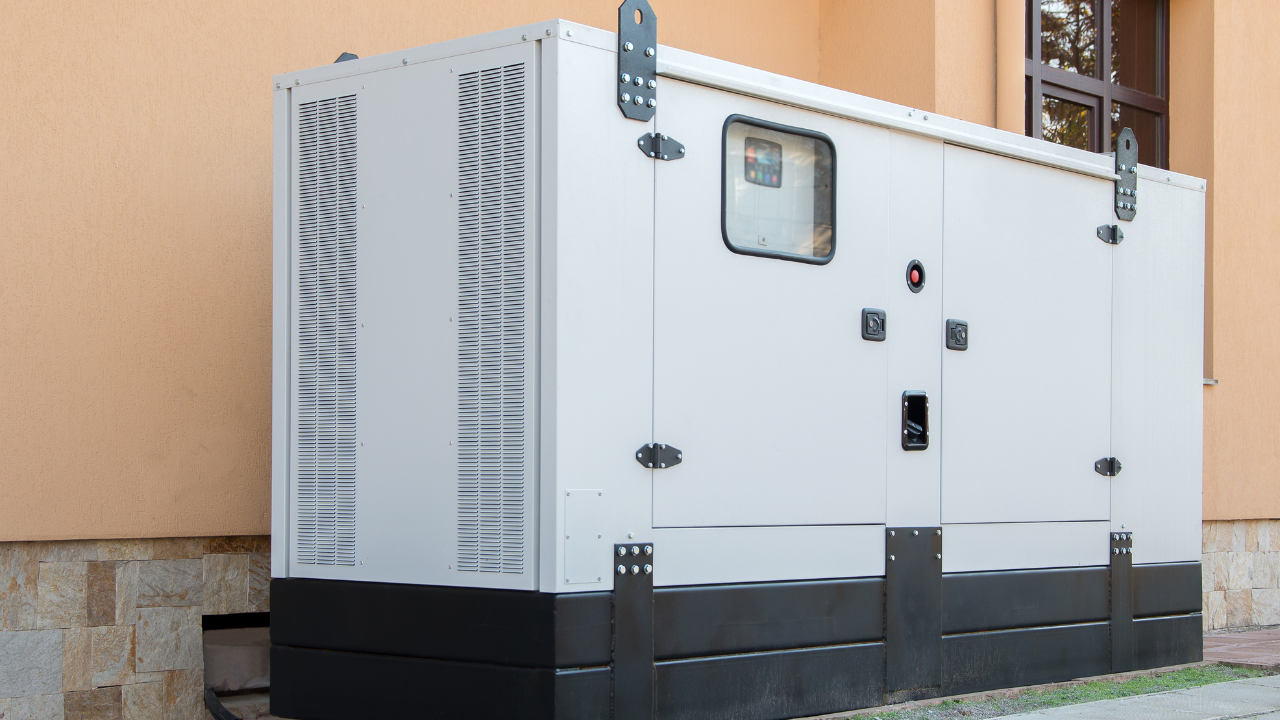
A properly designed commercial generator installation is built to eliminate that disruption.
The system is designed to:
- Detect power loss automatically
- Start without manual intervention
- Transfer the electrical load safely
- Maintain operations with minimal interruption
But the keyword here is “designed.” Not all systems are created equal, and a generator’s effectiveness depends heavily on how well it’s planned and integrated.
Understanding Load Is the Foundation
One of the most important aspects of commercial generator installation is understanding electrical load—not just how much power a building uses, but how and when it uses it.
Different systems draw power differently. Some operate continuously, while others peak at certain times. Some are critical to operations, while others are supportive but still necessary.
We’ve seen situations where a generator was installed based on average usage, only to fail under peak demand. In other cases, systems were labeled “non-essential” but turned out to be necessary for supporting critical operations.
Proper planning requires a full understanding of how the building functions—not just what’s plugged in.
Full Building vs. Critical Load: A Strategic Decision
One of the biggest decisions in commercial generator installation is determining what should remain powered during an outage.
Some businesses choose full-building coverage, maintaining operations as if nothing happened. Others prioritize critical systems like IT infrastructure, refrigeration, or safety systems.
The decision often comes down to one question: what is the cost of downtime?
For some businesses, losing even a short window of operations has a significant impact. For others, maintaining only essential systems may be enough.
What matters is making that decision intentionally—not reacting to it during an outage.
Transfer Switches: The Moment That Matters Most
The generator itself is only part of the system. The transition from utility power to backup power is what determines how effective that system will be.
An automatic transfer switch detects power loss and initiates generator startup. Once the generator reaches operating capacity, the switch transfers the building’s electrical load.
This process typically takes seconds, but those seconds matter.
Without a properly functioning transfer system, even the best generator won’t deliver the continuity businesses expect.
Why UPS Systems Often Complete the Picture
For some systems, even a few seconds without power can cause problems.
Servers, communication systems, and sensitive electronics may require immediate backup. This is where UPS (uninterruptible power supply) systems come in.
A UPS provides instant power during the transition period before the generator takes over. It also delivers stable, clean power that protects sensitive equipment.
When combined, generators and UPS systems create a layered approach to reliability—one that covers both immediate and long-term needs.
Installation Is More Than Equipment
A successful commercial generator installation involves more than selecting the right unit.
It requires careful consideration of:
- Placement and ventilation
- Fuel source and supply
- Noise levels and environmental impact
- Code compliance and safety requirements
- Access for maintenance and servicing
We’ve seen projects where small decisions during installation created long-term challenges. Getting these details right from the beginning is critical.
The Cost of Waiting
One of the most common patterns we see is businesses waiting until after an outage to act.
By that point, the cost has already been experienced—lost revenue, lost time, and operational disruption.
Planning ahead allows for:
- Better system design
- More efficient installation
- Less disruption overall
And most importantly, it allows businesses to avoid the impact entirely.
The Bigger Picture
At its core, commercial generator installation is about protecting continuity.
It ensures that when the unexpected happens, operations don’t stop.
And in today’s environment, that level of reliability is no longer optional—it’s expected.
FAQs
Q: How do I determine the right size for a commercial generator installation?
Proper sizing requires a full load analysis that evaluates how your building uses power throughout the day. This includes peak demand, critical systems, and future expansion. Guessing or undersizing can result in system failure during an outage.
Q: Should I power my entire building or just critical systems?
That depends on your operations. Some businesses need full continuity, while others can function by supporting essential systems only. The decision should be based on operational risk, not just budget.
Q: How long can a generator run during an outage?
That depends on fuel type and capacity. Natural gas systems can run continuously, while diesel systems depend on fuel storage. Planning for extended outages is an important part of system design.
Q: Do generators require maintenance even if they aren’t used often?
Yes. Regular testing and maintenance are essential to ensure reliability. A generator that hasn’t been maintained is one of the most common reasons systems fail when they’re needed.
Q: Can generators be added to existing buildings?
Yes, most installations are retrofits. The key is evaluating space, electrical infrastructure, and how the system will integrate with the existing setup.
