

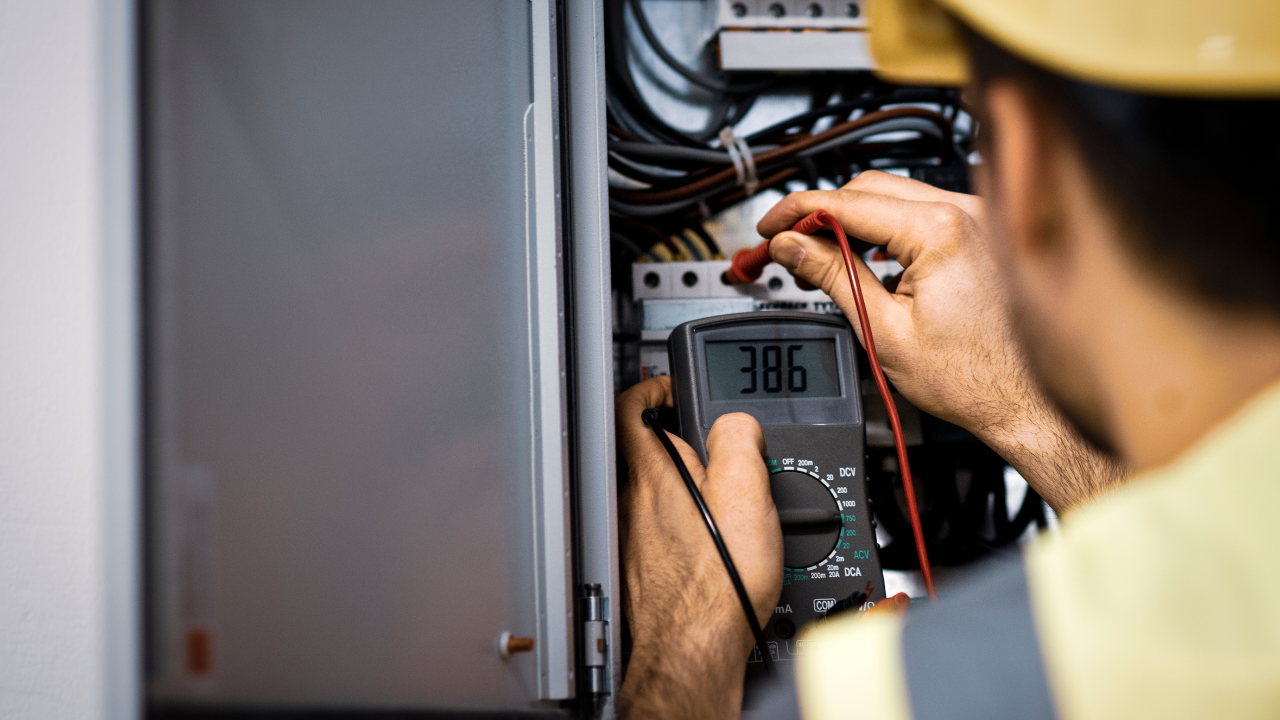
Infrared electrical testing is one of the most effective tools available for identifying hidden electrical issues before they lead to equipment failures, unplanned downtime, safety hazards, or costly repairs. While many electrical problems develop gradually over time, they often remain invisible until something fails. By the time a breaker trips, equipment shuts down, or a system overheats, the damage may already be done.
For facility managers, property owners, maintenance directors, and business operators, preventing electrical failures is often far less expensive than responding to emergencies. Infrared electrical testing uses thermal imaging technology to identify abnormal heat patterns within electrical equipment, helping businesses detect potential issues long before they become critical.
As commercial facilities become increasingly dependent on electrical systems, preventive maintenance strategies have become more important than ever. Infrared testing provides a proactive approach that helps organizations improve reliability, reduce risk, and protect critical operations.
What Is Infrared Electrical Testing?
Infrared electrical testing, sometimes called thermal imaging or infrared electrical inspection, uses specialized thermal cameras to identify heat signatures within electrical equipment.
Every electrical component generates some amount of heat during normal operation. However, when equipment begins to fail, electrical resistance increases, connections loosen, loads become unbalanced, or components deteriorate, excessive heat is often generated.
These temperature differences may not be visible to the naked eye.
Using infrared technology, electricians can identify unusual heat patterns that may indicate developing problems within electrical panels, switchgear, transformers, breakers, disconnects, motor controls, distribution equipment, and other electrical infrastructure.
Because the inspection is non-invasive, equipment can often remain energized and operational during testing.
This allows potential issues to be identified without interrupting daily operations.
Why Electrical Problems Often Go Undetected
One of the biggest challenges with electrical systems is that many problems develop internally.
A loose connection hidden inside a panel may generate excessive heat for months before a failure occurs. An overloaded circuit may continue operating while gradually damaging components. A deteriorating breaker may appear functional even as performance declines.
Without specialized testing, these issues can remain hidden until they cause an outage, equipment damage, or safety incident.
Traditional visual inspections remain important, but they cannot always detect internal heat-related issues.
Infrared electrical testing provides an additional layer of visibility that helps identify concerns before they become emergencies.
For facilities that depend heavily on electrical reliability, this insight can be extremely valuable.
Common Problems Infrared Testing Can Identify
Thermal imaging inspections can reveal a wide range of electrical issues.
One of the most common findings is loose electrical connections. Even a slightly loose connection can create resistance, generating heat that increases over time. Left uncorrected, these conditions may lead to equipment failure or fire hazards.
Infrared testing can also identify overloaded circuits. As electrical demand increases, certain circuits may begin operating beyond their intended capacity. Excessive heat often serves as an early warning sign that adjustments are needed.
Other common findings include:
- Deteriorating breakers
- Unbalanced electrical loads
- Failing switchgear components
- Transformer issues
- Damaged conductors
- Defective fuses
- Motor control problems
- Electrical hot spots
Identifying these conditions early helps prevent more serious failures later.
Reducing Downtime and Business Disruptions
Unexpected electrical failures can be costly.
When equipment fails without warning, organizations often experience operational disruptions, lost productivity, emergency repair expenses, and potential revenue losses.
For facilities that operate around the clock, even a short outage can have significant consequences.
Healthcare facilities may lose access to critical systems. Manufacturing operations may halt production. Retail businesses may be unable to process transactions. Office environments may lose access to communications and network infrastructure.
Infrared electrical testing helps reduce these risks by identifying developing problems before they affect operations.
Rather than waiting for failures to occur, organizations can schedule repairs during planned maintenance windows, minimizing disruption and improving overall reliability.
Supporting Preventive Maintenance Programs
Many organizations have adopted preventive maintenance strategies to improve equipment performance and extend asset life.
Infrared testing is often an important component of these programs.
By regularly evaluating electrical equipment, facility managers gain valuable information about the condition of their infrastructure. This data can help prioritize repairs, allocate maintenance resources more effectively, and identify recurring issues.
Instead of relying solely on reactive repairs, organizations can make informed decisions based on actual equipment conditions.
This approach often results in lower maintenance costs and improved system performance over time.
Improving Electrical Safety
Electrical failures create more than operational challenges.
They can also create significant safety risks.
Overheated electrical components may increase the likelihood of equipment damage, arc flash incidents, or fire hazards. Identifying these conditions early helps reduce exposure to potential safety concerns.
Infrared electrical testing allows qualified professionals to evaluate energized equipment while maintaining appropriate safety procedures.
The ability to identify potential hazards before failure occurs contributes to a safer work environment for employees, contractors, tenants, and visitors.
For organizations committed to workplace safety, thermal imaging inspections provide an additional layer of protection.
Industries That Benefit Most from Infrared Testing
While virtually any commercial facility can benefit from thermal imaging inspections, some industries have a greater need for electrical reliability.
Healthcare facilities often depend on uninterrupted operation of medical equipment, communications systems, and patient care infrastructure.
Educational institutions rely on technology, security systems, and facility operations that require dependable electrical service.
Manufacturing facilities often operate equipment that must remain operational to support production schedules.
Retail centers, warehouses, office buildings, municipal facilities, and multi-tenant properties also benefit from proactive electrical maintenance.
In these environments, preventing electrical failures often has significant operational and financial value.
How Often Should Infrared Electrical Testing Be Performed?
The frequency of testing depends on the facility and the critical nature of its operations.
Some organizations perform annual thermal imaging inspections as part of their preventive maintenance programs. Others conduct testing more frequently, particularly when equipment operates under heavy loads or supports critical systems.
Facilities that have experienced previous electrical issues may also benefit from more frequent evaluations.
The goal is to establish a maintenance schedule that aligns with operational requirements while providing sufficient visibility into equipment condition.
An experienced commercial electrical contractor can help determine the appropriate testing frequency based on facility needs.
Why Professional Infrared Testing Matters
Thermal imaging equipment is only one part of the process.
Interpreting thermal images requires experience, training, and an understanding of electrical systems. Not every elevated temperature indicates a problem, and not every problem produces the same thermal signature.
Qualified professionals understand how to evaluate thermal imaging data, identify potential concerns, and prioritize corrective actions.
They can also provide documentation and recommendations that help facility managers make informed decisions regarding repairs and maintenance planning.
Professional testing ensures organizations receive accurate information that supports both operational reliability and safety.
Frequently Asked Questions
What is infrared electrical testing?
Infrared electrical testing uses thermal imaging cameras to identify abnormal heat patterns within electrical equipment.
Can infrared testing find hidden electrical problems?
Yes. Thermal imaging often reveals issues such as loose connections, overloaded circuits, deteriorating breakers, and failing components before they become visible.
Does equipment need to be shut down for testing?
In many cases, equipment can remain energized and operational during the inspection process.
How often should commercial facilities perform infrared testing?
Many facilities perform annual inspections, although frequency depends on operational requirements and equipment conditions.
Can infrared testing help prevent downtime?
Absolutely. Early identification of developing problems allows repairs to be scheduled before failures occur.
What industries benefit most from thermal imaging inspections?
Healthcare facilities, schools, manufacturing operations, warehouses, office buildings, retail centers, and municipal facilities often benefit significantly from infrared electrical testing.
Could Hidden Electrical Problems Be Developing in Your Facility?
Electrical failures rarely happen without warning. The challenge is knowing where to look before a problem disrupts operations. Infrared electrical testing provides a proactive way to identify developing issues, improve reliability, and support a comprehensive preventive maintenance strategy.
Suburban Electric helps businesses throughout Massachusetts, Rhode Island, and New Hampshire evaluate electrical infrastructure through professional thermal imaging inspections and preventive maintenance services. Our team can help identify potential concerns before they lead to costly repairs, downtime, or safety risks.
Contact Suburban Electric today to learn more about infrared electrical testing and proactive electrical maintenance solutions.
