

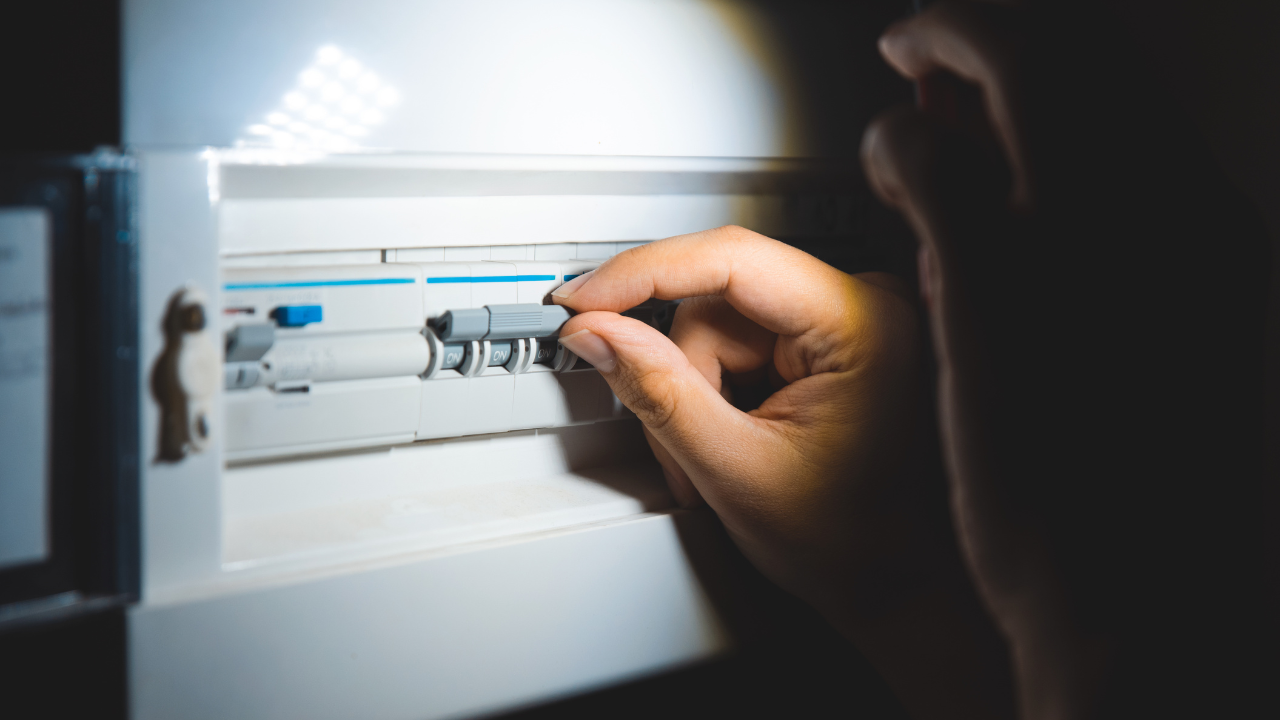
Emergency electrical services can mean the difference between a minor disruption and a major operational crisis. Whether it’s a complete power outage, a failing electrical panel, a tripped breaker affecting critical systems, or unexpected equipment failure, electrical emergencies often occur without warning and can significantly impact business operations.
For many businesses, electrical reliability is essential. Offices depend on computers and communication systems. Healthcare facilities rely on technology that supports patient care. Warehouses use automated systems to manage inventory and operations. Retail stores require functioning point-of-sale systems to serve customers. Manufacturing facilities often depend on equipment that cannot afford unexpected interruptions.
When electrical problems occur, every minute matters. Understanding how to respond during an electrical emergency can help reduce downtime, protect equipment, improve safety, and support a faster recovery.
What Qualifies as an Electrical Emergency?
Not every electrical issue requires an immediate emergency response, but certain situations should never be ignored.
Common commercial electrical emergencies include:
Complete loss of power, burning odors near electrical equipment, overheating panels, repeated breaker trips, sparking equipment, failed transformers, damaged electrical infrastructure, water intrusion affecting electrical systems, and equipment failures impacting critical operations.
Electrical emergencies can also occur following severe weather events, vehicle impacts, utility failures, flooding, or equipment malfunctions.
In many cases, the issue extends beyond a single breaker or circuit and may affect larger portions of a facility’s electrical infrastructure.
Recognizing the seriousness of the situation is the first step toward an effective response.
The Importance of Acting Quickly
When electrical problems are left unaddressed, they often become more expensive and more disruptive.
A minor issue may escalate into equipment damage, operational downtime, safety hazards, or even electrical fires. The longer a problem remains unresolved, the greater the potential impact on employees, customers, tenants, and operations.
Quick action allows businesses to contain the issue, protect critical systems, and begin troubleshooting before additional complications develop.
This is particularly important in facilities where electrical systems support communications, security, healthcare services, refrigeration, manufacturing equipment, or business-critical technology.
Having a plan in place before an emergency occurs can significantly improve response times.
Protecting Employees and Occupants
Safety should always be the highest priority during an electrical emergency.
If electrical equipment is overheating, producing smoke, sparking, or showing signs of failure, employees should be kept away from the affected area.
Attempting to investigate or repair electrical equipment without proper training can create serious risks.
Business owners and facility managers should ensure employees understand basic emergency procedures and know who to contact when problems occur.
In many cases, isolating the affected area and contacting a qualified commercial electrician is the safest course of action.
Protecting people should always come before restoring operations.
Common Causes of Commercial Electrical Emergencies
Commercial electrical systems operate under significant demands every day.
Over time, electrical components experience wear and tear. Equipment ages. Facilities expand. Additional loads are added to existing systems.
Some of the most common causes of emergency electrical service calls include:
Overloaded circuits, aging electrical panels, failing breakers, loose connections, transformer issues, weather-related damage, equipment failures, water intrusion, improper modifications, and deferred maintenance.
Many emergencies develop gradually over time before eventually causing an unexpected failure.
This is why preventive maintenance remains such an important part of facility management.
Power Outages and Business Continuity
Power outages are among the most common reasons businesses request emergency electrical services.
While some outages originate from utility providers, others may result from equipment failures within the facility itself.
When an outage occurs, organizations should first determine whether the issue is affecting only their building or a larger area.
If backup power systems are available, facility personnel should verify that generators, UPS systems, and emergency lighting systems are functioning properly.
Businesses that have developed continuity plans often recover more quickly because responsibilities and procedures have already been established.
Planning ahead helps reduce confusion during stressful situations.
The Role of Backup Power Systems
One of the best ways to reduce the impact of electrical emergencies is through backup power planning.
Commercial generators and UPS backup systems provide critical support when utility service is interrupted.
Generators can keep essential operations running during extended outages, while UPS systems provide immediate power for sensitive equipment.
Healthcare facilities, schools, office buildings, retail centers, and manufacturing facilities frequently rely on backup power systems to maintain critical functions.
Regular testing and maintenance help ensure these systems are ready when needed.
A backup power system that fails during an emergency can create additional challenges.
Why Preventive Maintenance Matters
Many electrical emergencies can be prevented.
Routine inspections, infrared electrical testing, panel evaluations, generator maintenance, and preventive service programs help identify developing problems before they result in failures.
Facility managers who invest in proactive maintenance often experience fewer emergency service calls and lower long-term repair costs.
Preventive maintenance also helps improve system reliability and supports safer building operations.
Rather than waiting for equipment to fail unexpectedly, organizations can address concerns during planned maintenance windows.
This approach often reduces both costs and operational disruptions.
Working with a Commercial Electrical Contractor
When an emergency occurs, businesses need more than a quick fix.
They need an experienced commercial electrical contractor capable of identifying the root cause of the problem and implementing a reliable solution.
Commercial facilities often have complex electrical systems that require specialized knowledge and troubleshooting expertise.
An experienced contractor can evaluate the situation, recommend corrective actions, and help prevent similar issues from occurring in the future.
Building a relationship with a trusted electrical contractor before an emergency occurs can make response efforts significantly more effective.
Creating an Emergency Electrical Response Plan
Every facility should have a plan for responding to electrical emergencies.
The plan should identify key contacts, emergency procedures, backup power resources, equipment shutdown protocols, and communication responsibilities.
Employees should know who to contact and what steps to follow if an electrical issue occurs.
Facility managers should regularly review and update emergency procedures as systems and operational requirements evolve.
Preparation often makes the difference between a controlled response and a chaotic situation.
Frequently Asked Questions
What qualifies as an electrical emergency?
Electrical emergencies include power outages, sparking equipment, burning odors, overheating panels, equipment failures, and other situations that affect safety or operations.
Should employees attempt to troubleshoot electrical problems?
No. Employees should report concerns and avoid working on electrical systems unless properly trained and authorized.
How can businesses prepare for electrical emergencies?
Developing an emergency response plan, maintaining backup power systems, and investing in preventive maintenance are important steps.
Can generators prevent business interruptions?
Generators can help maintain critical operations during extended outages when properly sized and maintained.
What causes most commercial electrical emergencies?
Common causes include aging equipment, overloaded circuits, loose connections, weather-related damage, and deferred maintenance.
Can preventive maintenance reduce emergency service calls?
Yes. Preventive maintenance helps identify developing problems before they result in equipment failures and operational disruptions.
Is Your Business Prepared for the Next Electrical Emergency?
Electrical emergencies often occur when businesses least expect them. Having the right response plan, backup power strategy, and electrical support partner can help reduce downtime, protect critical systems, and improve operational resilience.
Suburban Electric provides emergency electrical services, troubleshooting, repairs, preventive maintenance, and backup power solutions for businesses throughout Massachusetts, Rhode Island, and New Hampshire.
Whether you’re dealing with an unexpected electrical issue today or want to strengthen your facility’s emergency preparedness strategy for the future, our team is here to help.
Contact Suburban Electric to learn more about emergency electrical services and commercial electrical support solutions.
