

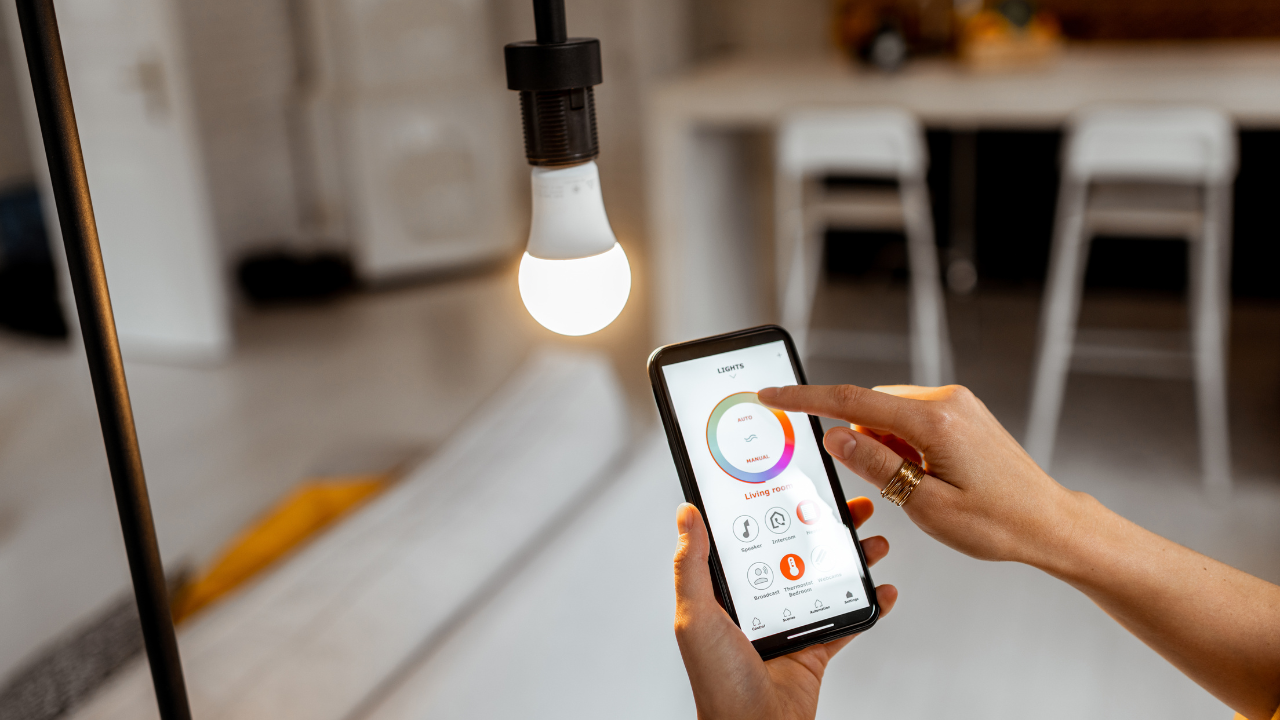
Lutron lighting control systems are among the most sought-after upgrades for commercial buildings looking to reduce energy consumption, improve occupant comfort, and create smarter, more efficient environments. As businesses continue to invest in technology that supports productivity and operational efficiency, lighting controls have moved from a luxury feature to a practical business tool.
Many facility managers spend significant time focusing on HVAC systems, security infrastructure, maintenance programs, and energy management. Yet lighting remains one of the largest electricity consumers in many commercial buildings. Without proper controls, lights often remain on when rooms are empty, spaces are underutilized, or natural daylight could provide sufficient illumination.
Modern lighting control systems help address these challenges by providing businesses with greater visibility and control over how lighting is used throughout a facility. Through automation, scheduling, occupancy sensing, and centralized management, organizations can create a building that operates more efficiently while improving the experience of employees, customers, patients, students, and visitors.
As a certified Lutron installer, Suburban Electric helps businesses implement advanced lighting control solutions designed to support both operational and financial goals.
What Are Lutron Lighting Control Systems?
Lutron lighting control systems allow businesses to automate and manage lighting throughout a facility from a centralized platform.
Rather than relying on traditional wall switches, facility managers can control lighting schedules, adjust brightness levels, create occupancy-based automation, and monitor system performance.
Lutron’s technology can be used in everything from small office spaces to large commercial campuses. The systems are designed to adapt to a facility’s specific needs while helping reduce unnecessary energy use.
Popular solutions include Lutron RA2 and Lutron RA3 systems, which offer advanced functionality and flexibility for both residential and commercial applications.
These systems enable users to manage lighting more strategically, creating a more comfortable and efficient environment.
Why Traditional Lighting Controls Fall Short
Many commercial buildings still rely on lighting systems that were installed years ago.
Employees turn lights on in the morning and off at the end of the day. Conference rooms remain illuminated long after meetings end. Hallways, break rooms, and common spaces often stay lit even when no one is using them.
While these practices may seem insignificant, they contribute to substantial energy waste over time.
Traditional lighting controls also provide very little flexibility. If building occupancy changes, schedules shift, or facility layouts evolve, the lighting system often cannot adapt without manual intervention.
For modern businesses seeking efficiency and operational insight, these limitations create unnecessary expenses.
Energy Savings Through Smart Lighting Controls
One of the biggest advantages of Lutron lighting control systems is their ability to reduce energy consumption.
Lighting controls can automatically turn lights off when spaces become vacant. They can dim lighting when natural daylight is available and adjust schedules based on occupancy patterns.
This level of automation helps eliminate wasted electricity while maintaining appropriate lighting levels throughout the building.
When combined with LED lighting upgrades, businesses often see even greater savings. LED fixtures already consume less energy than traditional lighting technologies, and smart controls maximize those benefits by ensuring lights operate only when necessary.
For facility managers responsible for operating budgets, these savings can create measurable financial benefits year after year.
Creating a Better Workplace Experience
Lighting affects far more than utility bills.
The quality of lighting within a building influences comfort, productivity, concentration, and overall satisfaction. Employees who spend long hours under poor lighting conditions may experience eye strain, fatigue, headaches, and reduced focus.
Lutron lighting control systems allow businesses to create environments that better support the people who occupy them.
Conference rooms can automatically adjust lighting for presentations. Office spaces can reduce glare throughout the day. Shared workspaces can maintain comfortable illumination levels based on occupancy and natural light conditions.
These improvements contribute to a workplace that feels more modern, adaptable, and employee-friendly.
Supporting Smart Building Initiatives
Smart building technology continues to gain momentum across virtually every industry.
Organizations are increasingly looking for ways to improve efficiency through automation and data-driven decision-making. Lighting controls often represent one of the easiest and most effective entry points into building automation.
Lutron lighting control systems can integrate with broader smart building strategies, helping organizations gain greater visibility into energy usage and occupancy trends.
Instead of operating independently, lighting becomes part of a connected ecosystem that supports more efficient facility management.
For property owners and facility managers, this creates opportunities to optimize operations while preparing buildings for future technology advancements.
Ideal Applications for Lutron Lighting Control Systems
One of the reasons Lutron systems have become so popular is their versatility.
Healthcare facilities benefit from the ability to adjust lighting throughout patient areas, treatment rooms, administrative offices, and common spaces.
Office buildings can automate lighting schedules while improving employee comfort.
Educational institutions can align lighting operation with classroom schedules and occupancy patterns.
Retail locations can create more engaging customer experiences while reducing energy costs.
Industrial and warehouse environments can improve visibility while managing operating expenses.
Because facilities operate differently, customizable lighting controls offer valuable flexibility.
Why Certified Installation Matters
Advanced lighting control systems require proper design, installation, programming, and commissioning.
While many contractors can install lighting fixtures, not every contractor has specialized training in Lutron technology.
Working with a certified Lutron installer helps ensure the system is configured correctly and optimized for the building’s specific needs.
Improper programming can reduce energy savings, limit functionality, and cause user frustration.
A certified installer understands how to maximize system performance while ensuring a smooth implementation process.
For businesses investing in building technology, proper installation is critical to achieving long-term success.
Future-Proofing Commercial Buildings
Technology is changing how commercial buildings operate.
Organizations that invest in intelligent lighting controls today position themselves to adapt more easily to future advancements in automation, energy management, and facility operations.
Lighting infrastructure often remains in place for many years. Choosing a flexible, scalable system allows businesses to expand capabilities over time without replacing their entire lighting strategy.
As operational demands continue to evolve, lighting controls provide a foundation that supports future growth.
Frequently Asked Questions
What are Lutron lighting control systems?
Lutron lighting control systems enable businesses to automate, schedule, and manage lighting across a facility with intelligent controls and centralized management tools.
How do lighting controls reduce energy costs?
Lighting controls reduce unnecessary energy consumption by turning lights off when spaces are unoccupied and adjusting lighting levels based on occupancy and daylight availability.
What is the difference between Lutron RA2 and RA3?
Both are advanced lighting control platforms. RA3 offers enhanced processing power, scalability, and modern control capabilities while building on the strengths of RA2 systems.
Do lighting controls work with LED fixtures?
Yes. LED lighting and Lutron controls work exceptionally well together and are often installed as part of the same energy-efficiency project.
Are lighting controls only for large commercial buildings?
No. Lighting control systems can be customized for facilities of many sizes, from small offices to large commercial campuses.
Why should I use a certified Lutron installer?
Certified installers receive specialized training and understand how to properly design, program, and optimize lighting control systems for maximum performance.
Looking for Smarter Control Over Your Building’s Lighting?
As a certified Lutron installer, Suburban Electric helps businesses throughout Massachusetts, Rhode Island, and New Hampshire implement intelligent lighting solutions that improve energy efficiency, enhance comfort, and support modern facility management.
Whether you’re renovating an office, upgrading a healthcare facility, modernizing a commercial property, or exploring smart building technology, our team can help design a lighting control solution that aligns with your goals.
Contact Suburban Electric today to learn more about Lutron lighting control systems and how smart lighting controls can enhance your facility’s performance.
