

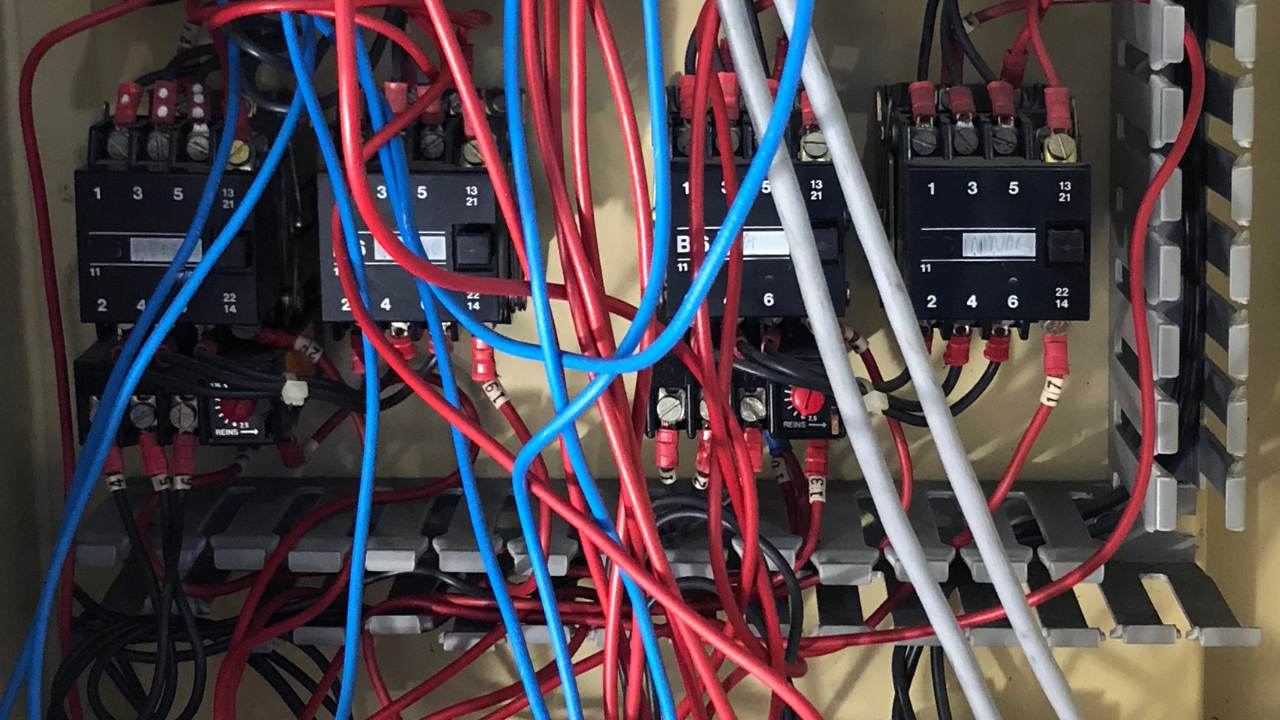
UPS backup systems are one of the most important investments a business can make to protect critical operations during power outages and electrical disturbances. While many organizations focus on generators as their primary backup power solution, generators alone do not provide immediate protection when utility power is interrupted. Even a brief outage lasting only a few seconds can result in lost data, damaged equipment, interrupted transactions, and costly downtime.
Today’s businesses depend heavily on technology. From healthcare facilities and schools to retail stores, office buildings, warehouses, and manufacturing operations, electrical reliability is essential for daily operations. Computers, network infrastructure, security systems, communication equipment, and point-of-sale systems all require a consistent power supply to function properly.
As organizations become increasingly dependent on technology, protecting critical equipment has become a business necessity rather than a luxury. UPS backup systems help bridge the gap between utility power loss and long-term backup solutions, providing immediate protection when it matters most.
What Is a UPS Backup System?
UPS stands for Uninterruptible Power Supply.
A UPS backup system is designed to provide immediate electrical power when utility service is interrupted. Unlike a generator, which requires several seconds to start and transfer power, a UPS system instantly supplies battery power to connected equipment.
This seamless transition helps prevent equipment from unexpectedly shutting down.
The primary purpose of a UPS system is to keep critical systems operating long enough for power to be restored, a generator to come online, or equipment to be safely shut down.
Depending on the system’s size and design, UPS backup solutions can support individual devices, entire server rooms, or critical infrastructure throughout a commercial facility.
Many businesses rely on UPS systems without realizing how often they protect equipment from minor power disturbances that occur throughout the year.
Why Short Power Interruptions Can Be So Expensive
Many people assume only major outages create problems.
In reality, some of the most costly disruptions occur during brief interruptions that last only a few seconds.
Imagine a healthcare facility suddenly losing access to electronic records. A retail store may lose transaction data while customers are checking out. An office building may experience server interruptions that disconnect employees from critical applications.
Even when power returns quickly, the recovery process can take significantly longer.
Systems often need to reboot. Data may need to be recovered. Employees lose productivity while waiting for equipment to return to normal operation.
For businesses that depend on technology, a few seconds without power can create hours of disruption.
UPS backup systems help eliminate this vulnerability by maintaining continuous power during these short interruptions.
Protecting Critical Equipment
Modern electronic equipment is more powerful than ever, but it is also more sensitive to electrical disturbances.
Servers, telecommunications equipment, network hardware, security systems, access control systems, and specialized medical equipment all rely on stable power conditions.
Unexpected shutdowns can damage hardware, corrupt data, and shorten equipment lifespan.
UPS backup systems provide a layer of protection that helps shield equipment from sudden power loss while maintaining stable voltage levels.
This protection can significantly reduce the risk of expensive repairs and replacements.
For businesses that have invested heavily in technology infrastructure, protecting that investment is essential.
More Than Just Backup Power
Many people think of UPS systems solely as emergency backup devices.
However, high-quality UPS systems also protect against power quality issues that can occur even when utility power remains available.
These issues may include:
- Power surges
- Voltage fluctuations
- Brownouts
- Electrical noise
- Short-duration interruptions
Over time, poor power quality can negatively affect sensitive electronics.
A UPS system helps condition incoming power and provides a cleaner, more stable electrical supply to connected equipment.
This added protection can improve equipment reliability and reduce maintenance concerns.
How UPS Systems Work with Commercial Generators
One of the most common misconceptions about backup power is that generators eliminate the need for UPS systems.
In reality, the two technologies often work together.
Commercial generators take time to start after an outage. During those critical seconds, connected equipment would still lose power without a UPS system.
A UPS system immediately supplies power while the generator starts and transfers the electrical load.
Once the generator is operating, the UPS continues supporting equipment and helps maintain power quality.
This combination creates a comprehensive backup power strategy capable of protecting both short-term and long-duration outages.
Many healthcare facilities, schools, data centers, and commercial properties rely on both systems to ensure uninterrupted operation.
Industries That Benefit Most from UPS Backup Systems
While every business can benefit from reliable backup power, certain industries often have a greater need for UPS protection.
Healthcare facilities depend on continuous access to patient information, communications, and medical technology.
Schools and universities rely on network infrastructure, communication systems, and classroom technology.
Retail stores need point-of-sale systems, inventory management platforms, and payment processing equipment to remain operational.
Office buildings depend on servers, communications systems, cloud applications, and employee workstations.
Manufacturing facilities often utilize automated equipment that can be sensitive to power interruptions.
For these organizations, downtime often translates directly into lost productivity and revenue.
UPS systems help minimize these risks while supporting operational continuity.
Planning the Right UPS Backup System
Every facility has different backup power requirements.
A small office may only need protection for a few critical systems, while a large healthcare facility may require extensive UPS infrastructure throughout the building.
Factors that influence system design include:
Power requirements, equipment sensitivity, desired runtime, future growth plans, and integration with other backup power solutions.
Understanding these variables is critical to selecting the appropriate system.
An experienced commercial electrical contractor can evaluate operational requirements and recommend solutions that align with both current and future needs.
Why Professional Installation Matters
Commercial UPS backup systems involve much more than plugging equipment into a battery backup device.
Proper installation requires load calculations, electrical integration, equipment coordination, and future planning.
Incorrectly sized systems may not provide adequate protection during an outage. Improper installation can limit performance and create reliability concerns.
Professional installation helps ensure the system performs as expected during power interruptions.
Because backup power systems are only valuable when they function correctly during emergencies, proper planning and installation are essential.
Frequently Asked Questions
What does UPS stand for?
UPS stands for Uninterruptible Power Supply, a system designed to provide immediate backup power during electrical interruptions.
How is a UPS different from a generator?
A UPS provides instant battery backup power, while a generator takes time to start and ramp up to the electrical load.
Can a UPS protect against power surges?
Yes. Many UPS systems offer surge protection and power conditioning to protect sensitive equipment.
What equipment should be connected to a UPS system?
Servers, network equipment, communications systems, security systems, healthcare technology, and critical business infrastructure are commonly protected by UPS systems.
How long can a UPS system provide power?
Runtime varies based on system size and power requirements. Some systems provide several minutes of backup power, while larger installations can support longer durations.
Do businesses still need a UPS if they have a generator?
Yes. A UPS provides immediate power while a generator starts and transfers the electrical load.
Is Your Business Prepared for the Next Power Outage?
Power interruptions are inevitable, but costly downtime doesn’t have to be. A properly designed UPS backup system can help protect critical equipment, maintain business continuity, and reduce the risks posed by unexpected power outages.
Suburban Electric helps businesses throughout Massachusetts, Rhode Island, and New Hampshire evaluate backup power needs and implement reliable UPS solutions that support operational resilience.
Whether you’re protecting a server room, healthcare facility, retail operation, school, or commercial office building, our team can help develop a backup power strategy designed around your specific requirements.
Contact Suburban Electric today to discuss UPS backup systems and business continuity solutions for your facility.
