

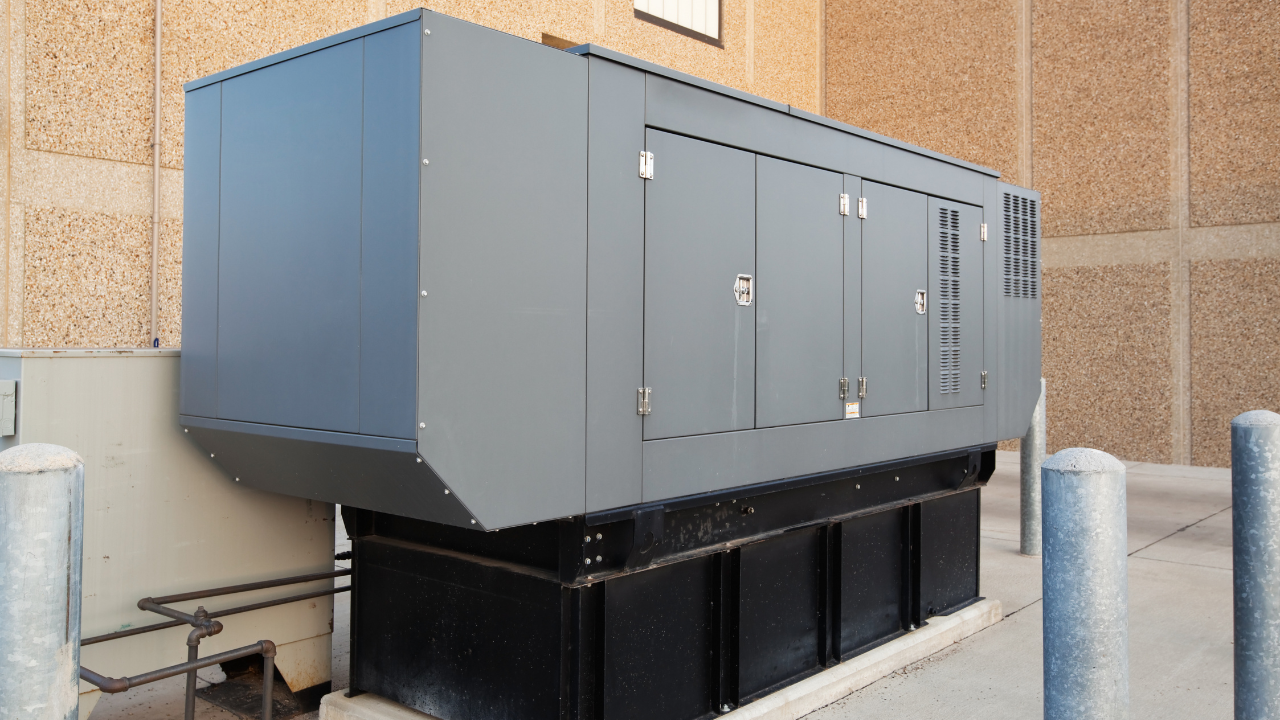
A commercial generator installation is one of the most important investments a facility manager can make to protect business operations from unexpected power outages. While many organizations focus on day-to-day operations, electrical disruptions remain a significant risk that can impact productivity, customer service, safety, and revenue.
Whether caused by severe weather, utility failures, equipment malfunctions, accidents, or infrastructure issues, power outages can bring operations to a standstill. For some businesses, even a brief interruption can create costly consequences. For others, extended outages can affect critical systems, disrupt customer service, damage inventory, and create safety concerns.
As businesses become increasingly dependent on technology, communications systems, security infrastructure, and electronic equipment, backup power has become an essential component of facility planning.
A properly designed commercial generator system helps ensure critical operations continue when utility power is unavailable, allowing organizations to maintain business continuity while minimizing downtime.
Why Backup Power Is More Important Than Ever
Today’s commercial facilities rely on electricity for virtually every aspect of daily operations.
Computers, internet connectivity, security systems, access control systems, refrigeration equipment, manufacturing equipment, healthcare technology, communications infrastructure, and point-of-sale systems all depend on reliable electrical service.
When power is lost, the effects can be immediate.
Employees may be unable to work. Customers may be unable to complete transactions. Security systems may become limited. Communications may be interrupted. Sensitive equipment can experience unexpected shutdowns.
For industries such as healthcare, education, retail, manufacturing, and property management, these disruptions can create significant operational challenges.
Commercial backup generators provide a reliable solution by supplying emergency power when utility service becomes unavailable.
Understanding How Commercial Generators Work
A commercial generator is designed to automatically provide electricity when utility power is interrupted.
When an outage occurs, an automatic transfer switch detects the loss of power and signals the generator to start. Once the generator reaches operating capacity, power is transferred from the utility source to the generator.
This process typically occurs within seconds.
Depending on the system’s size and the facility’s needs, generators can support only critical equipment or power an entire building.
The goal is to maintain operations while minimizing the outage’s impact.
For many organizations, having a generator means the difference between continuing operations and shutting down completely.
Identifying Critical Systems
One of the most important steps in commercial generator planning is determining which systems require backup power.
Not every piece of equipment within a facility needs to operate during an outage. In many cases, organizations prioritize critical functions while temporarily shutting down non-essential systems.
Examples of systems commonly connected to emergency power include:
Emergency lighting, security systems, access control systems, refrigeration equipment, communications systems, computer networks, healthcare technology, manufacturing equipment, and critical business infrastructure.
Identifying these priorities helps determine generator capacity requirements and overall system design.
A professional assessment ensures backup power resources are allocated appropriately.
Commercial Generator Installation for Healthcare Facilities
Healthcare facilities have unique power requirements.
Patient care, electronic records, communications systems, diagnostic equipment, and other critical technologies often require uninterrupted operation.
Even short outages can affect operations and potentially impact patient services.
Because of these requirements, healthcare facilities frequently rely on commercial generators as part of a broader emergency preparedness strategy.
Backup power systems help ensure essential operations continue while utility service is restored.
As healthcare environments become increasingly dependent on technology, reliable emergency power infrastructure becomes even more important.
Schools, Municipal Buildings, and Educational Facilities
Educational institutions also benefit significantly from backup power systems.
Schools rely on internet connectivity, communications platforms, security systems, and classroom technology to support students and staff.
Power outages can disrupt learning, interfere with administrative functions, and create safety concerns.
Commercial generators help schools maintain critical services during emergencies while supporting continuity of operations.
Municipal buildings and public facilities often have similar requirements, making backup power a valuable investment.
Supporting Multi-Tenant and Commercial Properties
Property managers overseeing multi-tenant buildings face unique challenges during power outages.
Tenants expect safe and functional spaces regardless of utility disruptions. Elevators, emergency lighting, security systems, fire alarm systems, and common-area infrastructure often require backup power support.
Commercial generator installation helps property owners maintain essential services while minimizing tenant disruptions.
For large commercial properties, backup power can also help protect revenue and preserve tenant satisfaction.
As competition for tenants increases, reliable building infrastructure becomes an important differentiator.
Commercial Generators and Business Continuity Planning
A commercial generator should be viewed as part of a larger business continuity strategy.
Organizations that proactively prepare for outages often recover more quickly and experience fewer disruptions.
Generator planning should include considerations such as:
Operational priorities, emergency communications, maintenance schedules, equipment protection, staff responsibilities, and recovery procedures.
By addressing these areas in advance, businesses can respond more effectively when outages occur.
Backup power becomes one component of a comprehensive resilience strategy rather than a standalone solution.
The Importance of Generator Sizing
Choosing the correct generator size is critical.
An undersized generator may struggle to support critical loads during an outage, while an oversized system can result in unnecessary costs.
Generator sizing depends on several factors, including:
Electrical load requirements, startup demands, future growth plans, building size, and operational priorities.
Facilities planning for future expansions should consider long-term needs rather than focusing solely on current requirements.
A professional load analysis helps ensure the generator is appropriately sized for both present and future operations.
Why Many Businesses Combine Generators and UPS Systems
Many facility managers assume generators alone provide complete outage protection.
However, generators typically require several seconds to start and transfer power.
During this brief period, sensitive equipment may still lose power.
UPS backup systems bridge this gap by providing immediate power while the generator starts.
Together, UPS systems and commercial generators create a more complete emergency power solution.
This approach is particularly common in healthcare facilities, schools, data centers, retail operations, and office buildings where uninterrupted power is essential.
Maintenance and Long-Term Reliability
A backup generator is only effective if it works when needed.
Routine maintenance is essential for ensuring long-term reliability.
Regular inspections, fuel system evaluations, battery testing, load testing, and preventive maintenance help identify potential issues before emergencies occur.
Facility managers should establish maintenance schedules that align with manufacturer recommendations and operational requirements.
Proper maintenance helps maximize system lifespan while improving confidence during emergency situations.
Frequently Asked Questions
How quickly does a commercial generator start during a power outage?
Most commercial generators begin operating within seconds after an outage is detected.
Can a commercial generator power an entire building?
Yes. Depending on capacity and design, generators can support critical systems or provide power for an entire facility.
How often should a commercial generator be serviced?
Routine inspections and maintenance should be performed in accordance with the manufacturer’s recommendations to ensure reliable operation.
Do generators work with UPS systems?
Yes. UPS systems provide immediate backup power while generators start and assume the electrical load.
What businesses benefit most from commercial generators?
Healthcare facilities, schools, warehouses, retail stores, office buildings, manufacturing facilities, and multi-tenant commercial properties often benefit significantly from backup power systems.
How do I know what size generator my facility needs?
A professional electrical assessment and load analysis can determine the appropriate generator size based on your facility’s operational requirements.
Is Your Facility Prepared for the Next Power Outage?
Power outages are unpredictable, but your response doesn’t have to be. A properly planned commercial generator installation can help protect critical operations, reduce downtime, and support business continuity when utility service is interrupted.
Suburban Electric works with facility managers, property owners, healthcare facilities, schools, commercial buildings, and businesses throughout Massachusetts, Rhode Island, and New Hampshire to design and install reliable backup power solutions.
Whether you’re evaluating emergency power for a new facility or upgrading an existing system, our experienced team can help develop a generator solution tailored to your operational needs.
Contact Suburban Electric today to discuss commercial generator installation and backup power planning for your facility.
