

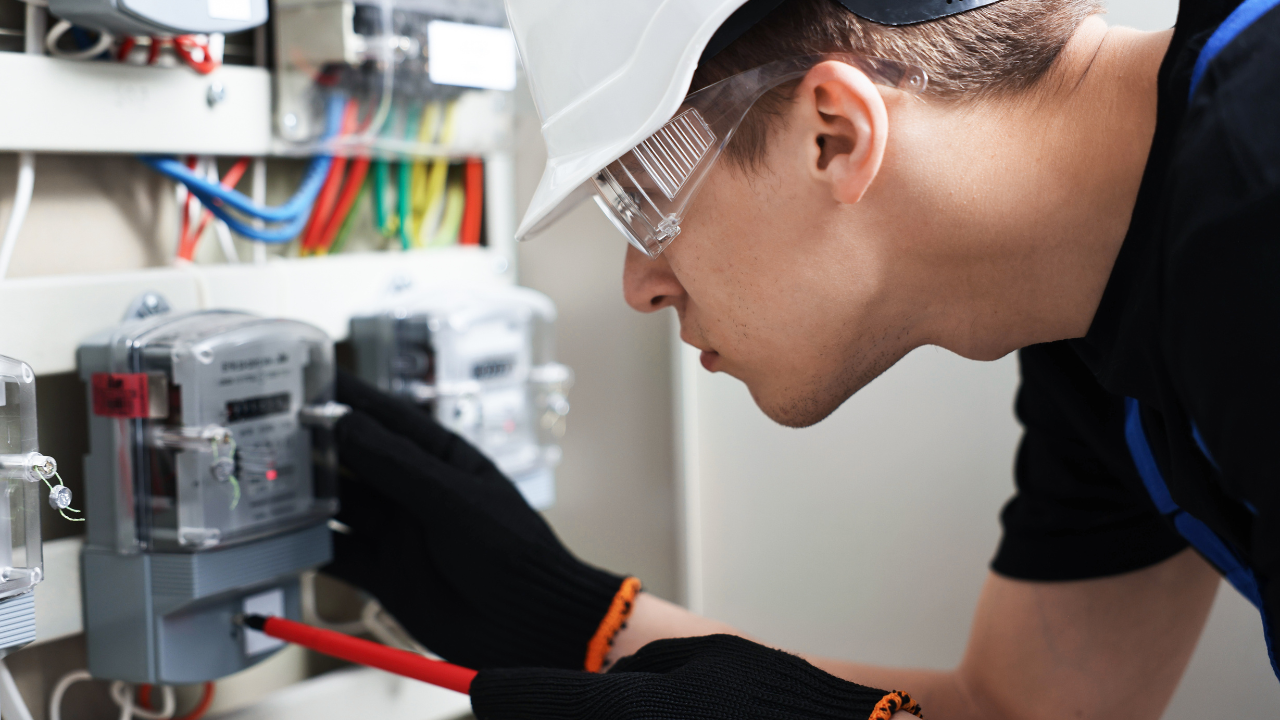
Commercial electrical maintenance is one of the most overlooked investments a business can make, yet it is often one of the most effective ways to reduce operating costs, improve reliability, and avoid expensive emergency repairs. Many organizations wait until an electrical problem occurs before contacting an electrician. While this approach may seem cost-effective in the short term, reactive repairs often lead to higher costs, unexpected downtime, and disruptions to daily operations.
Electrical systems are the backbone of nearly every commercial facility. Offices depend on power for computers and communications. Healthcare facilities rely on electrical systems for patient care and medical equipment. Warehouses use electrical infrastructure to support lighting, inventory systems, and operational equipment. Manufacturing facilities often depend on continuous electrical service to maintain production schedules.
When electrical systems fail unexpectedly, the consequences can be significant. Preventive maintenance helps businesses identify and address issues before they become costly problems.
Rather than waiting for equipment to break down, facility managers can take a proactive approach that improves performance, extends equipment life, and supports long-term operational success.
What Is Commercial Electrical Maintenance?
Commercial electrical maintenance is the ongoing inspection, testing, servicing, and evaluation of a facility’s electrical infrastructure.
The goal is to identify potential issues before they result in equipment failures, safety hazards, or operational disruptions.
A comprehensive maintenance program may include:
Electrical panel inspections, breaker testing, infrared electrical testing, generator maintenance, UPS system inspections, lighting evaluations, transformer inspections, load analysis, and electrical system assessments.
These services help ensure equipment continues operating safely and efficiently.
Preventive maintenance is not simply about fixing problems. It is about reducing the likelihood that problems occur in the first place.
Why Reactive Repairs Cost More
Many businesses operate under a “fix it when it breaks” philosophy.
Unfortunately, electrical systems rarely fail at convenient times.
An electrical panel may fail during peak operating hours. A breaker may trip during an important production run. A transformer issue may affect critical building systems. A generator may fail during a power outage.
Emergency repairs often involve:
Unexpected downtime, emergency service costs, equipment replacement expenses, lost productivity, and potential revenue losses.
In many cases, the cost of responding to a failure exceeds what routine maintenance would have cost.
Preventive maintenance allows businesses to address developing issues under controlled conditions rather than during an emergency.
Extending Equipment Life
Electrical infrastructure represents a significant investment.
Panels, switchgear, transformers, generators, UPS systems, lighting controls, and distribution equipment are designed to provide years of service. However, like any mechanical or electrical system, they require ongoing care.
Routine maintenance helps identify wear and tear before it accelerates into larger problems.
Loose connections can be tightened. Components showing signs of deterioration can be replaced. Load imbalances can be corrected. Equipment can be cleaned and evaluated to ensure proper performance.
These actions help maximize the lifespan of electrical assets while reducing long-term replacement costs.
For facility managers responsible for operating budgets, extending equipment life can provide significant financial value.
Reducing Unplanned Downtime
One of the biggest benefits of commercial electrical maintenance is improved reliability.
Unexpected outages and equipment failures can disrupt operations, delay projects, frustrate employees, and negatively impact customers.
Downtime is particularly costly in industries such as healthcare, manufacturing, education, logistics, and retail.
Preventive maintenance helps identify developing issues before they affect operations.
By scheduling repairs during planned maintenance windows, organizations can minimize disruption while maintaining greater control over operational schedules.
A proactive approach often results in fewer surprises and more predictable facility performance.
Improving Workplace Safety
Electrical issues can create significant safety risks.
Overheated connections, overloaded circuits, deteriorating equipment, damaged wiring, and failing components can all increase the likelihood of electrical hazards.
Regular maintenance inspections help identify these conditions before they become dangerous.
Infrared electrical testing, for example, can reveal hidden hot spots that may not be visible during a standard inspection.
By addressing concerns early, businesses can create safer environments for employees, customers, tenants, patients, and visitors.
Safety improvements are often one of the most valuable outcomes of a preventive maintenance program.
Infrared Testing as Part of a Maintenance Program
Many organizations incorporate infrared electrical testing into their maintenance strategies.
Thermal imaging technology allows electricians to identify abnormal heat patterns within energized equipment.
These heat signatures often indicate loose connections, overloaded circuits, deteriorating components, or developing equipment failures.
Because thermal imaging inspections can often be performed without shutting down equipment, they provide valuable insight while minimizing operational disruption.
Combining infrared testing with routine maintenance creates a powerful strategy for improving electrical reliability.
Supporting Backup Power Systems
Generators and UPS systems are only effective if they work when needed.
Unfortunately, many organizations assume backup power equipment is ready simply because it was installed.
Without routine testing and maintenance, backup power systems may fail during an emergency.
Commercial electrical maintenance programs often include:
Generator inspections, battery testing, fuel system evaluations, transfer switch testing, UPS maintenance, and operational testing.
These services help ensure backup power equipment remains ready to perform during outages.
For healthcare facilities, schools, office buildings, and commercial properties, this level of preparedness can be invaluable.
Common Industries That Benefit from Preventive Maintenance
Virtually every commercial facility benefits from routine electrical maintenance.
Healthcare facilities rely on dependable electrical infrastructure to support patient care and operations.
Manufacturing facilities depend on equipment uptime to maintain productivity.
Educational institutions require reliable electrical service for classrooms, technology, and security systems.
Retail businesses rely on lighting, communications, and point-of-sale systems.
Warehouses depend on inventory management systems, lighting, and operational equipment.
Because electrical systems support so many critical functions, preventive maintenance provides value across a wide range of industries.
Creating a Long-Term Maintenance Strategy
Every facility has unique requirements.
The ideal maintenance program depends on equipment age, operational demands, facility size, industry requirements, and future growth plans.
Some organizations perform annual inspections, while others require more frequent evaluations due to operational complexity or critical infrastructure requirements.
Working with an experienced commercial electrical contractor helps businesses develop maintenance programs tailored to their specific needs.
A customized approach ensures resources are focused where they deliver the greatest benefit.
Frequently Asked Questions
What is commercial electrical maintenance?
Commercial electrical maintenance involves routine inspections, testing, and servicing of electrical systems to improve reliability and reduce failures.
Why is preventive maintenance important?
Preventive maintenance helps identify issues before they lead to equipment failures, downtime, and costly repairs.
How often should electrical systems be inspected?
Inspection frequency depends on facility type, equipment condition, and operational requirements. Many businesses perform annual evaluations.
Can maintenance reduce emergency service calls?
Yes. Identifying and correcting issues early often reduces the likelihood of unexpected failures.
Does maintenance help extend equipment life?
Absolutely. Proper maintenance can help maximize the lifespan of panels, generators, transformers, UPS systems, and other electrical infrastructure.
Is infrared electrical testing part of preventive maintenance?
Yes. Thermal imaging inspections are commonly used to identify hidden electrical issues before they become serious problems.
Is Your Electrical System Being Proactively Maintained or Simply Repaired When It Fails?
Waiting for electrical equipment to break down often results in higher costs, unexpected downtime, and avoidable disruptions. A proactive maintenance strategy helps businesses improve reliability, extend equipment life, and reduce long-term operating expenses.
Suburban Electric provides commercial electrical maintenance services throughout Massachusetts, Rhode Island, and New Hampshire, helping businesses protect their electrical infrastructure and maintain dependable operations.
Whether you’re developing a preventive maintenance program, evaluating aging equipment, or seeking to improve facility reliability, our team can help create a maintenance strategy tailored to your operational goals.
Contact Suburban Electric today to learn more about commercial electrical maintenance and preventive service programs.
