

When most people walk into a newly renovated commercial space, they notice the obvious things first. The new flooring. The lighting fixtures. The furniture. The clean finishes and updated design.
What they usually do not think about is the electrical system hidden behind the walls and ceilings that makes the entire space function properly every single day.
But in reality, electrical infrastructure is one of the most important parts of any renovation project. It affects how employees work, how technology functions, how efficiently the building operates, and whether the space can support future growth.
At Suburban Electric, we have worked on commercial renovations where everything looked beautiful on the surface, but operationally, the space struggled because electrical planning was done too late in the process. We have also seen projects where electrical systems were planned correctly from the beginning, allowing the entire renovation to move smoothly and function efficiently long after construction was complete.
That difference matters more than many business owners realize.
Commercial Electrical Renovations Are About More Than Wiring
A lot of people assume electrical renovations are simply about adding outlets or updating a few fixtures. In reality, commercial electrical work is tied into nearly every part of how a business operates.
Modern commercial spaces rely heavily on technology and interconnected systems. Offices today need far more power and flexibility than they did even ten or fifteen years ago. Businesses depend on computers, servers, security systems, smart lighting, internet infrastructure, communication systems, and specialized equipment that all require reliable electrical support.
When a business renovates a space, those systems usually need to evolve as well.
That is why commercial electrical renovations are not simply cosmetic upgrades. They are operational upgrades that directly impact productivity, efficiency, and future adaptability.
In many cases, the electrical work behind the scenes determines whether the renovated space actually functions well once employees move in.
What Happens Behind the Walls During a Renovation
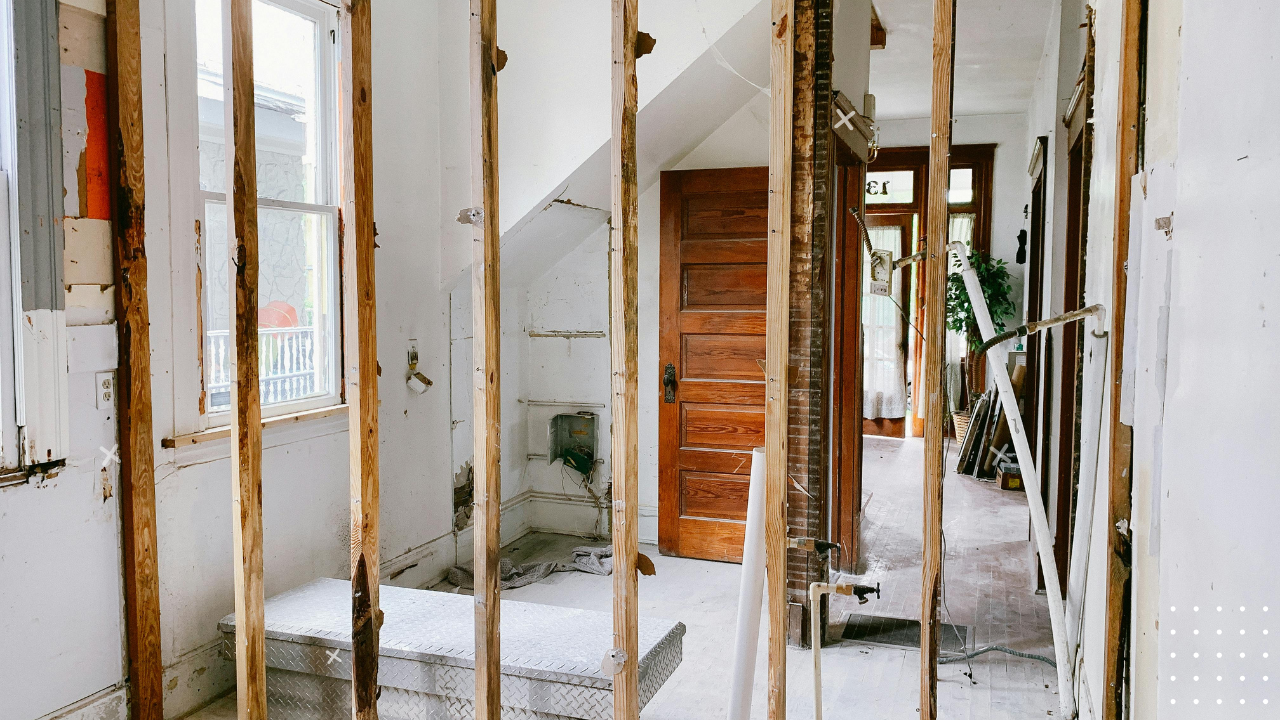
One of the most important phases of a commercial renovation begins after the walls are opened.
This is where electricians can fully assess the condition of the existing infrastructure and determine what needs to be updated, expanded, or redesigned to support the new layout.
Sometimes the existing systems are adequate with minor modifications. At other times, older buildings reveal electrical systems that were never designed to meet today’s demand.
We have walked into renovation projects where businesses planned to simply update finishes, only to discover outdated wiring, overloaded circuits, or electrical panels that no longer met current code requirements.
That is one of the reasons early planning is so important.
During commercial electrical renovations, electrical systems are often reconfigured to support how the space will be used moving forward. That may involve adding dedicated circuits for equipment, upgrading lighting systems, expanding panel capacity, or redesigning workspace power distribution entirely.
The work itself may stay hidden once the walls are closed up, but it affects nearly every part of the finished space.
Why Early Electrical Planning Saves Time and Money
One of the most common mistakes we see during commercial buildouts is waiting too long to involve the electrical contractor.
By the time electrical conversations happen, the layout may already be finalized. Furniture may already be selected. Walls may already be framed. At that point, making changes becomes significantly more expensive and disruptive.
Electrical systems should help shape the renovation—not simply react to it.
For example, if a business plans to add collaborative workspaces, conference technology, additional workstations, or specialty equipment, the electrical infrastructure needs to support those goals from the start.
Without early planning, businesses often run into issues like:
- Not enough power where it is needed
- Limited flexibility for future growth
- Overloaded circuits
- Inefficient workstation layouts
- Unexpected construction delays
Proper planning helps avoid these problems before they become costly setbacks.
Cubicle Rewiring and Furniture Feeds in Modern Offices
Modern office environments are far more flexible than older office layouts used to be.
Businesses today frequently rearrange departments, add workstations, or redesign spaces as teams grow and technology changes. Traditional perimeter wall outlets are often no longer enough to support how offices function today.
That is where cubicle rewiring and furniture feeds become such an important part of commercial electrical renovations.
Furniture feeds distribute power directly to modular office systems and workstations, rather than relying solely on outlets along the edges of the room. This creates a cleaner, more adaptable workspace while supporting the technology employees rely on every day.
In many modern offices, power is distributed beneath flooring systems or through modular wiring pathways, allowing workstations to evolve without requiring major demolition later.
The benefit is not just convenience. It creates long-term flexibility.
Businesses change over time, and electrical systems should be designed to change with them.
Why Sub Panels Matter in Commercial Renovations
As buildings evolve, electrical demand usually increases.
More technology, additional lighting, breakroom equipment, security systems, and specialized machinery all place greater demand on the electrical system.
That is why many renovation projects include adding sub-panels.
A subpanel acts as a secondary distribution point for electricity within the building. Instead of routing every circuit back to a single central panel, power can be distributed more efficiently across different areas of the building.
This improves organization, supports expansion, and helps prevent the main electrical panel from becoming overloaded.
We often explain sub-panels to clients as creating smaller electrical hubs throughout the building. It creates a more manageable system that can grow alongside the business.
Sub panels are especially valuable in larger offices, retail spaces, warehouses, and multi-use commercial environments where electrical demand varies across different sections of the building.
Renovations Often Reveal Hidden Issues
One thing many businesses do not anticipate during renovations is how often hidden electrical issues are uncovered once construction begins.
Older commercial buildings may contain outdated wiring methods, overloaded circuits, improper modifications from previous renovations, or systems that no longer meet modern electrical codes.
Sometimes these issues have existed quietly for years without obvious symptoms.
But once walls are opened and systems are evaluated more closely, those problems become impossible to ignore.
While unexpected discoveries can feel frustrating during construction, addressing them during a renovation is usually the best long-term decision. It is far easier and more cost-effective to correct electrical issues while the building is already under construction than after the space is complete and occupied again.
Planning for Future Growth
One of the smartest things businesses can do during commercial electrical renovations is think beyond their immediate needs.
A renovation should not only support how the business operates today—it should support where the business may be five or ten years from now.
That might mean preparing for:
- Additional workstations
- Future equipment
- EV charging stations
- Smart building systems
- Expanded data infrastructure
Planning ahead during a renovation is significantly more cost-effective than reopening walls later to add capacity or infrastructure.
Future-proofing the electrical system creates flexibility that businesses benefit from long after the renovation is complete.
Energy Efficiency Is Now Part of Renovation Planning
Today, commercial electrical renovations are also heavily tied to energy efficiency.
Many businesses use renovations to modernize lighting systems, reduce energy use, and improve overall building performance.
LED lighting upgrades, occupancy sensors, smart controls, and automated systems have become increasingly common in modern commercial spaces.
Beyond lowering energy costs, these upgrades often improve the overall work environment by creating more consistent, comfortable lighting and better operational control.
Programs like Mass Save may also provide incentives for qualifying energy-efficient upgrades, helping offset some renovation costs.
The Bigger Picture
At the end of the day, successful commercial electrical renovations are about much more than wiring.
They are about creating a space that supports employees, technology, operations, and future growth in a reliable and efficient way.
Most people will never see the electrical infrastructure hidden behind the walls of a finished commercial space. But they experience the results of that work every day through how the building functions.
When electrical planning is done correctly from the beginning, the entire space works better because of it.
FAQs
Q: When should electrical planning begin during a commercial renovation?
Electrical planning should begin as early as possible, ideally during the initial design and layout phase of the project. Waiting too long can create conflicts with walls, furniture layouts, equipment placement, and construction timelines. Early planning allows the electrical system to support the overall design instead of forcing adjustments later.
Q: What is included in commercial electrical renovations?
Commercial electrical renovations often include wiring upgrades, panel replacements, lighting redesigns, sub panels, equipment circuits, data infrastructure, furniture feeds, and energy-efficient system upgrades. The scope depends on how the space will be used and whether the existing electrical system can support current demands.
Q: Why are sub-panels important in commercial buildings?
Sub panels help distribute electrical power more efficiently throughout a building. They reduce strain on the main panel, improve circuit organization, and make future expansion easier. In larger commercial spaces, sub-panels create a more flexible, manageable electrical system.
Q: What are furniture feeds, and why are they used?
Furniture feeds provide electrical power directly to modular office furniture and workstations. They create cleaner layouts, reduce reliance on perimeter outlets, and allow office spaces to adapt more easily when layouts change in the future.
Q: Can older electrical wiring remain during a renovation?
Sometimes older wiring can remain, but not always. Existing systems must be evaluated for safety, capacity, and code compliance. In many older buildings, upgrades are needed to safely support modern electrical demand.
Q: How do commercial electrical renovations improve energy efficiency?
Many renovations include LED lighting upgrades, occupancy sensors, smart lighting controls, and energy-efficient systems. These upgrades help reduce energy consumption, lower operating costs, and improve building performance long term.
Q: Are commercial electrical renovations disruptive to business operations?
The level of disruption depends on the project’s size and complexity. However, with proper planning, many renovations can be phased or scheduled for after-hours work to minimize operational interruptions.
Q: Why is future planning important during a renovation?
Businesses evolve over time. Planning for future growth during renovations helps avoid costly upgrades later and ensures the electrical system can support additional technology, equipment, and workspace changes as the business expands.
