

When planning a commercial construction project, there are many moving parts—architectural design, structural engineering, permitting, scheduling, and budgeting. One of the most critical, yet often underestimated, components is the electrical system. From power distribution and lighting to life-safety systems and future scalability, electrical infrastructure directly impacts how a building operates long after construction is complete.
That’s why the role of a commercial electrical contractor is essential from the earliest planning stages through final commissioning. At Suburban Electric Contracting, we partner with property owners, facility managers, general contractors, and developers throughout Massachusetts to design and install electrical systems that are safe, reliable, efficient, and built to last.
Why Electrical Contractors Are Central to Commercial Construction
In commercial environments—offices, medical facilities, warehouses, retail spaces, and mixed-use buildings—electrical systems are far more complex than residential wiring. These projects must accommodate higher loads, specialized equipment, emergency power requirements, and strict building codes.
A commercial electrical contractor is responsible for ensuring:
- Electrical systems support daily operations without interruption
- Infrastructure meets current and future power demands
- All work complies with state and national electrical codes
- Safety systems are properly installed and tested
- Energy efficiency and long-term operating costs are considered
For property owners and facility managers, choosing the right electrical contractor is not just a construction decision—it’s an operational one.
Early Involvement Makes a Measurable Difference
One of the most common challenges in commercial construction is engaging electrical contractors too late in the process. When electrical planning is treated as an afterthought, it often results in change orders, delays, and budget overruns.
Early involvement allows an electrical contractor to:
- Review plans for electrical feasibility and efficiency
- Coordinate routing before walls and ceilings are finalized
- Identify cost-saving opportunities without compromising performance
- Ensure adequate capacity for future expansion or equipment upgrades
Suburban Electric frequently works alongside project teams during pre-construction to identify potential issues before they become costly problems. This proactive approach saves time, money, and frustration down the line.
Key Responsibilities of a Commercial Electrical Contractor
Electrical Design Support and Load Planning
Commercial electrical contractors collaborate with engineers and architects to develop systems that align with the building’s intended use. This includes calculating electrical loads, sizing panels and transformers, and planning distribution systems that support both current operations and future growth.
Poor load planning can result in overloaded circuits, premature equipment failure, or expensive upgrades. Proper design ensures the building performs as intended from day one.
Installation and Coordination During Construction
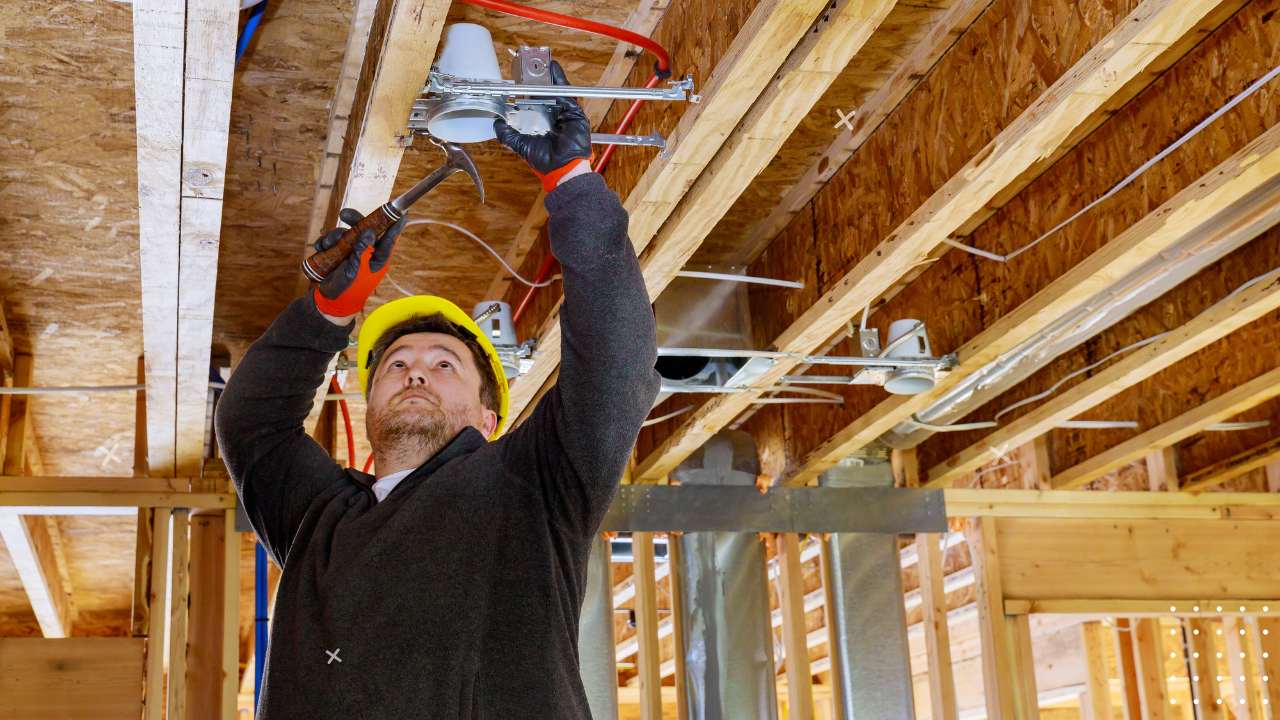
During construction, the electrical contractor is responsible for installing conduit, wiring, panels, lighting systems, and control equipment. This work must be closely coordinated with other trades, including HVAC, plumbing, fire protection, and data systems.
In commercial projects, timing and coordination matter. A knowledgeable contractor understands sequencing and works efficiently to keep the overall schedule on track.
Lighting Systems and Energy Efficiency
Lighting plays a significant role in productivity, safety, and energy consumption. Commercial electrical contractors design and install lighting systems that support the function of each space while minimizing operational costs.
This may include:
- LED lighting upgrades
- Lighting controls and occupancy sensors
- Exterior and site lighting
- Emergency and egress lighting
Energy-efficient solutions not only reduce utility expenses but can also support sustainability goals and compliance requirements.
Life Safety and Emergency Systems
Electrical contractors are responsible for installing and integrating critical life-safety systems, including:
- Emergency lighting
- Fire alarm systems
- Backup power and generator connections
- Transfer switches
For property owners and facility managers, these systems are essential not just for compliance, but for protecting occupants and minimizing liability.
Testing, Commissioning, and Compliance
Before a commercial building is occupied, all electrical systems must be tested and verified. This includes confirming proper voltage levels, verifying safety devices, and ensuring emergency systems function correctly.
A commercial electrical contractor also manages inspections and ensures the project meets Massachusetts regulations and National Electrical Code (NEC) requirements. This step is critical for avoiding delays in occupancy and future compliance issues.
Long-Term Value Beyond Construction
The role of an electrical contractor doesn’t end when construction does. Well-designed and properly installed systems are easier to maintain, more reliable, and less expensive to operate over time.
For facility managers, this means:
- Fewer service disruptions
- Lower maintenance costs
- Improved energy performance
- Infrastructure that adapts to changing needs
Suburban Electric supports clients beyond construction with ongoing service, maintenance, and system upgrades—helping facilities remain safe and efficient long after project completion.
Choosing the Right Electrical Contractor Matters
Commercial construction projects require partners who understand complexity, coordination, and accountability. An experienced electrical contractor brings more than technical skill—they bring planning, foresight, and a commitment to long-term performance.
For businesses and property owners across Massachusetts, Suburban Electric provides dependable commercial electrical services rooted in safety, professionalism, and proven experience.
Frequently Asked Questions (FAQ)
What does a commercial electrical contractor do on a construction project?
A commercial electrical contractor designs, installs, tests, and maintains electrical systems in commercial buildings. This includes power distribution, lighting, safety systems, and compliance with electrical codes.
Why should electrical contractors be involved early in construction planning?
Early involvement helps prevent design conflicts, reduce change orders, control costs, and ensure the electrical system supports the building’s operational needs from the start.
How is commercial electrical work different from residential?
Commercial systems handle higher electrical loads, more complex infrastructure, stricter codes, and specialized systems such as emergency power and large-scale lighting controls.
Do commercial electrical contractors handle permits and inspections?
Yes. Electrical contractors coordinate inspections and ensure all work complies with local and national electrical codes, helping projects move smoothly toward approval and occupancy.
How does proper electrical planning benefit facility managers?
Good planning results in reliable systems, lower energy costs, fewer outages, easier maintenance, and infrastructure that supports future growth or technology upgrades.
